
Fermented food diets increase gut microbiome diversity and lower inflammation markers more effectively than high-fiber diets alone, according to a 10-week clinical trial at Stanford. Your grandma wasn’t just being old-school—she was a cutting-edge wellness guru way before it was cool. Beyond yogurt, there’s a world where microbes become your allies, turning ordinary eats into health-boosting powerhouses that actually taste good.
Ready to ditch the diet fads and get friendly with your gut? This doctor-backed ranking of fermented foods promises to boost your immunity and taste buds. So grab your fork, and let’s get this fermentation party started.
7. Yogurt

Your gut’s backstage pass to better digestion.
Common fermented foods include yogurt, and thankfully, this isn’t some bland health food punishment. Beyond its creamy texture, yogurt brings Lactobacillus and Bifidobacterium to the table—your gut’s new best friends. These probiotics aid lactose digestion and boost your gut barrier. If your tummy throws a fit after a milkshake, yogurt might just be the peacemaker you need.
Plus, yogurt is as accessible as that friend who knows everyone. Stir it into smoothies, dollop it on tacos, or eat it straight from the container while binge-watching Netflix. It’s like having a personal health coach who doesn’t charge $300 an hour.
6. Kimchi
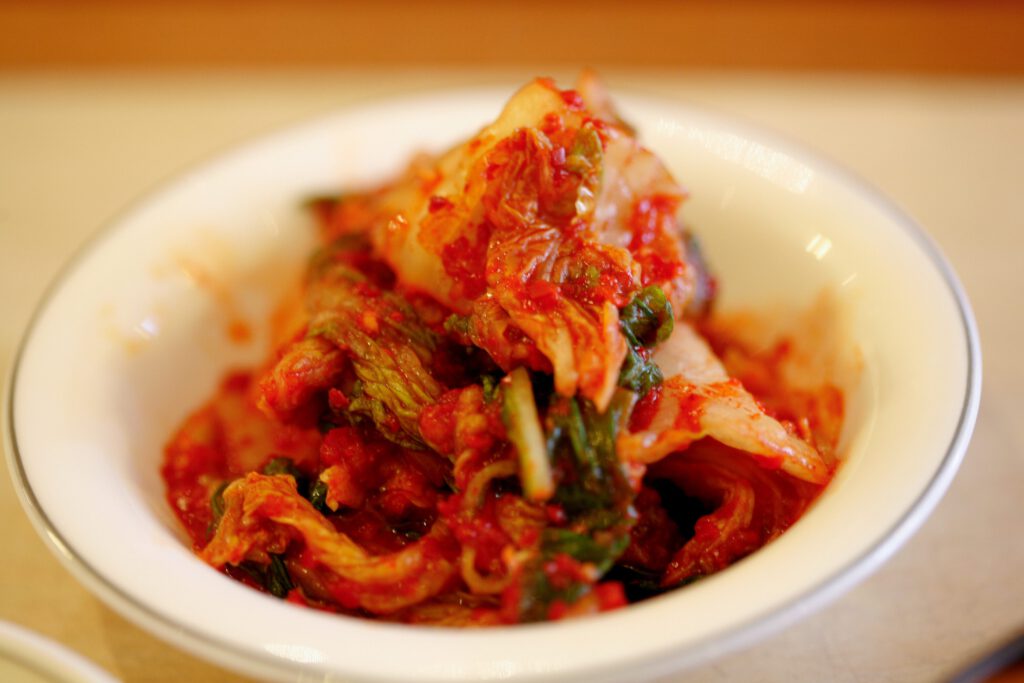
The spicy superfood that clears sinuses and fights inflammation.
Ethnic fermented foods like kimchi link to metabolic health, though don’t expect to drop 20 pounds just by adding this spicy staple to your diet. Still, it’s a legit superfood in Korean cuisine that earns its bragging rights. Think of it as the Beyoncé of fermented foods: globally recognized, culturally significant, and packing a flavorful punch.
L. plantarum and Leuconostoc strains offer anti-inflammatory properties that could give your immune system a high-five. Got a coworker down with the office plague? Time to pack a kimchi side dish with lunch. This ain’t your grandma’s sauerkraut—it’s the cool, spicy cousin who might help you dodge that next sick day.
5. Kefir
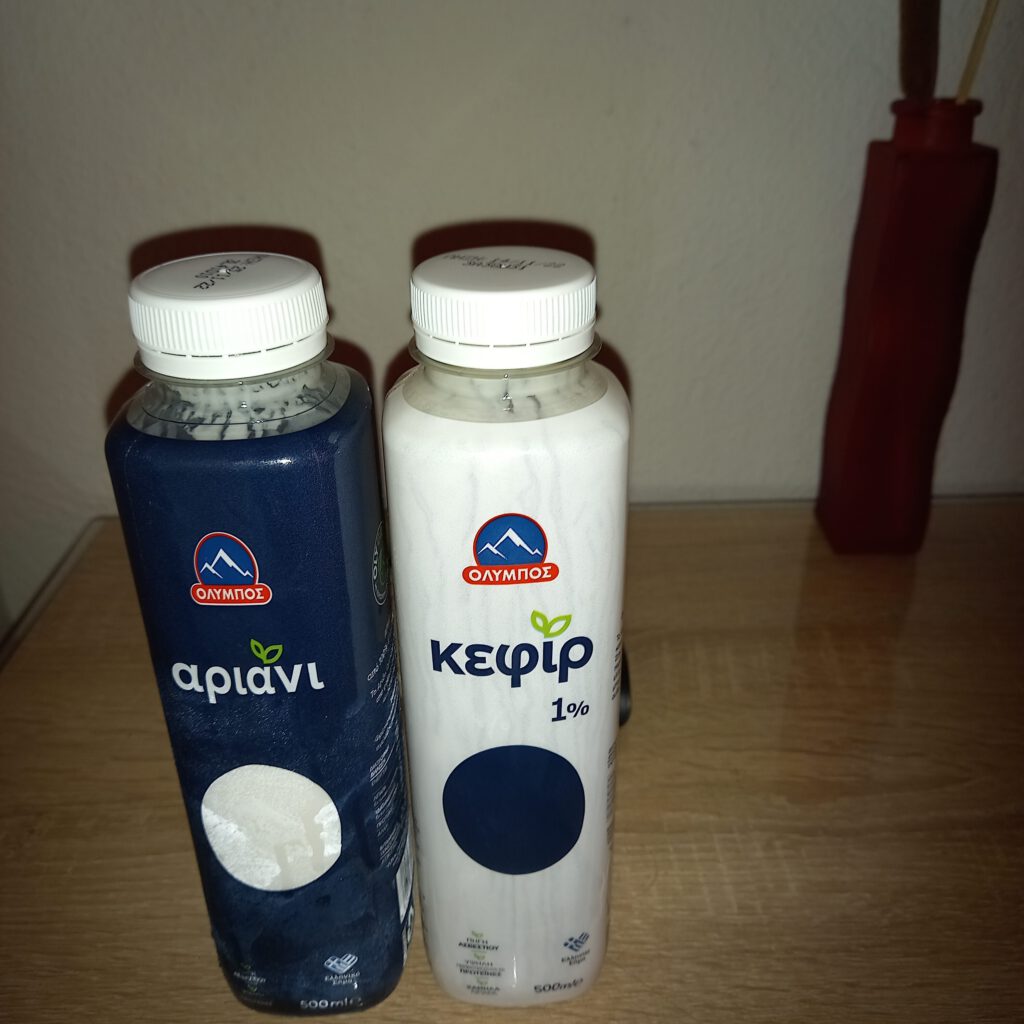
Yogurt’s well-traveled cousin with serious probiotic street cred.
Lactococcus and Saccharomyces may sound like characters from a Tolkien novel, but they’re actually key players in kefir, a fermented milk drink that boosts immunity and digestion. Think of it as yogurt’s cool cousin who travels abroad—kefir promotes a diverse gut microbiome, which is way more rock-and-roll than it sounds.
Anyone who’s ever tried making kombucha at home and ended up with something that tasted suspiciously like vinegar knows the struggle is real. Luckily, kefir can be made at home too. You’ll feel like a mad scientist, except instead of creating Frankenstein’s monster, you’re brewing immune-boosting goodness.
4. Sauerkraut

The bouncer at your gut’s hottest club, keeping pathogens out.
Sauerkraut isn’t just for topping bratwurst. Leuconostoc and Lactobacillus bacteria work overtime during fermentation, turning humble cabbage into a probiotic powerhouse. Think of it as a bouncer at your gut’s hottest club, keeping out the riff-raff pathogens and ensuring only the good guys get in.
There’s a reason sauerkraut is a German staple. Besides lending a savory punch to any meal, it supports healthy digestion. It’s like giving your digestive system a backstage pass to a VIP experience—all thanks to some friendly bacteria and fermentation magic.
3. Miso

The probiotic party in your pantry with serious antioxidant game.
Miso provides antioxidants and supports cardiovascular health thanks to Aspergillus oryzae—which sounds like something straight out of a sci-fi movie. Think of it as the probiotic party in your pantry, fighting off the bad guys one delicious spoonful at a time.
Next time you’re battling a cold, ditch the orange juice and whip up some miso soup. It’s like sending a tiny ninja army to defend your body from the inside. Plus, it’s way more satisfying than choking down another chalky vitamin C tablet.
2. Tempeh

The Beyoncé of plant-based proteins with anti-inflammatory swagger.
Research suggests fermented soybeans hold secrets to better health. Tempeh, made using Rhizopus oligosporus, isn’t just another plant-based option—it’s a versatile, protein-packed powerhouse with serious anti-inflammatory credentials that’ll make your gut throw a party.
Battling bloat after a weekend of questionable dietary choices? Tempeh steps in as a flavorful savior. Stir-fry it, crumble it, or slap it on a sandwich—its nutty flavor and firm texture make it the undisputed champion of plant proteins.
1. Natto

Your skeleton’s new best friend, courtesy of vitamin K2.
Bacillus subtilis, found in natto, supports cardiovascular health and provides vitamin K2. This traditional Japanese food doesn’t just sound like a science experiment—it practically is one. While the taste might not win any popularity contests, your arteries will thank you.
Natto also promotes bone health through its impressive vitamin K2 content. Consider it a love letter to your future self—a self that probably still won’t have developed a taste for natto but will appreciate the bone-strengthening boost.