Maintenance mistakes cost drivers thousands annually, but a few simple habit changes can save more money than extreme couponing. Think of it as preventative medicine for cars—ignore the small stuff, and expensive surprises multiply fast. These aren’t complex mechanical procedures requiring grease-stained overalls. Small tweaks that even the most mechanically challenged can handle will keep repair bills from ambushing bank accounts.
1. Not Letting Your Car Warm Up

Modern engines need far less warm-up time than most drivers think.
Car enthusiasts sometimes warm up their rides for 8-10 minutes. Unless prepping for the Daytona 500, that’s overkill. Modern fuel-injected engines need only about 30 seconds to 1 minute of warm-up time before gentle driving begins. Think of it as preheating an oven—no need to wait until molten to bake a pizza.
Extended idling wastes gas and doesn’t help the engine. Next time frost covers the windshield, try a quick warm-up, then drive gently. Faster commutes and more cash in pockets? Win-win.
2. Going Too Fast Over Speed Bumps
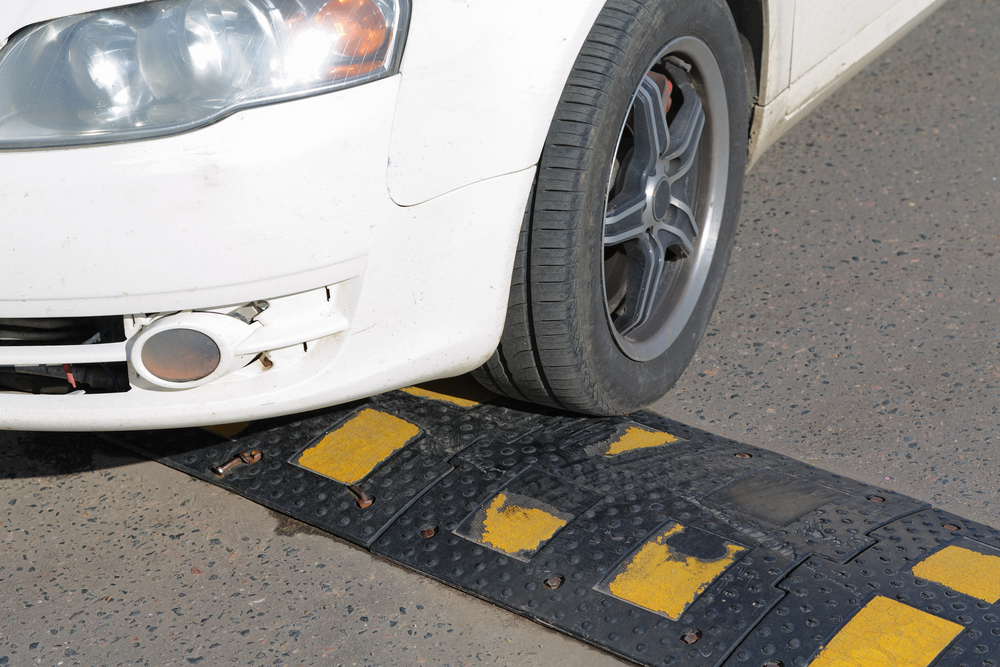
Speed bumps test suspension systems beyond their design limits when hit aggressively.
Ever watch a car slam over a speed bump like it’s auditioning for a demolition derby? Speed bumps slow drivers, not launch cars into orbit. Vehicles aren’t designed for sudden jolts; they’re built for the long haul, not vehicular acrobatics.
Car suspension acts like a club bouncer—it absorbs impacts, but hit hard enough, and components crack. Hitting speed bumps too fast can damage suspension and drivetrain components. Unless donating to a mechanic’s retirement fund sounds appealing, slow down over those humps.
3. Hitting Potholes Without Care
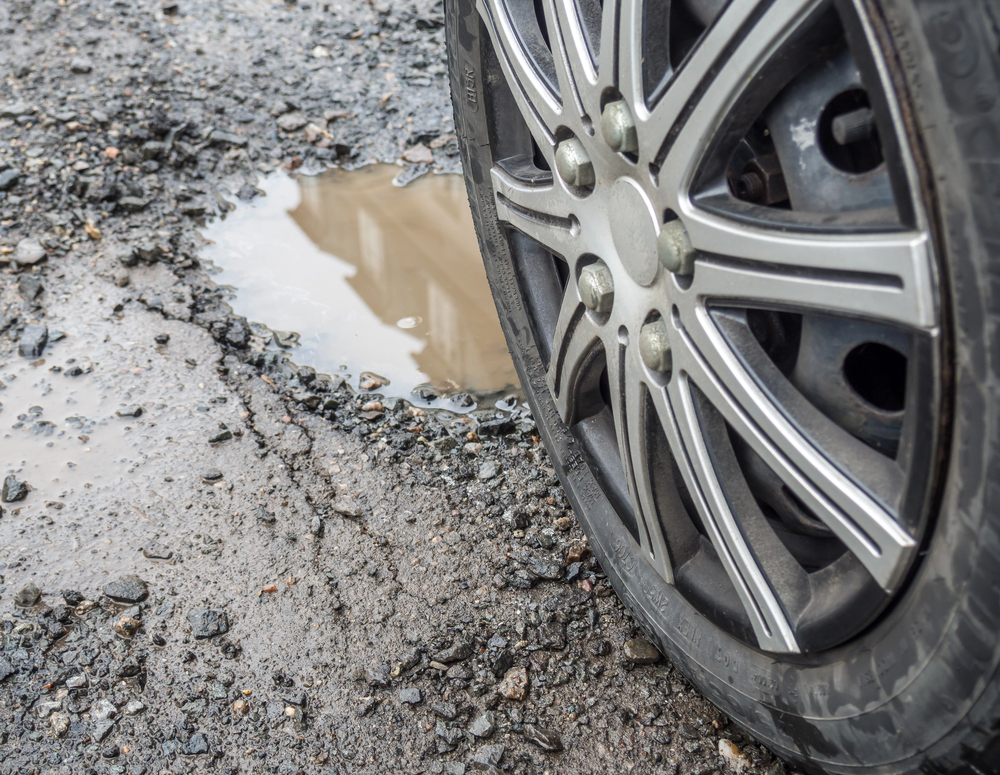
Pothole impacts knock wheels out of alignment and stress multiple systems.
Potholes mess with car alignment like walking in oversized shoes—eventually, something gives. This misalignment leads to uneven tire wear, meaning expensive replacements arrive sooner than expected. Car suspension operates like a finely tuned orchestra, and each pothole strike creates a rogue cymbal crash that disrupts the entire performance.
The strain ripples through the entire system beyond just alignment issues. Best practice? Dodge those craters like Neo dodging bullets in The Matrix.
4. Using Lower Octane Gas Than Recommended

Engine knock from wrong fuel grade can cause serious long-term damage.
Engines are tuned for specific octane levels like divas demanding Evian instead of tap water. That premium fuel sticker isn’t decorative—it’s crucial, especially for turbocharged engines. Using lower octane gas than specified can cause engine knock and potentially serious damage.
Performance dips happen immediately—cars feel sluggish, like they’ve spent too long at a drive-through. Long-term effects include engine knock (automotive nails on chalkboard) and component damage. Don’t be penny-wise and engine-foolish.
5. Slamming on the Brakes Constantly
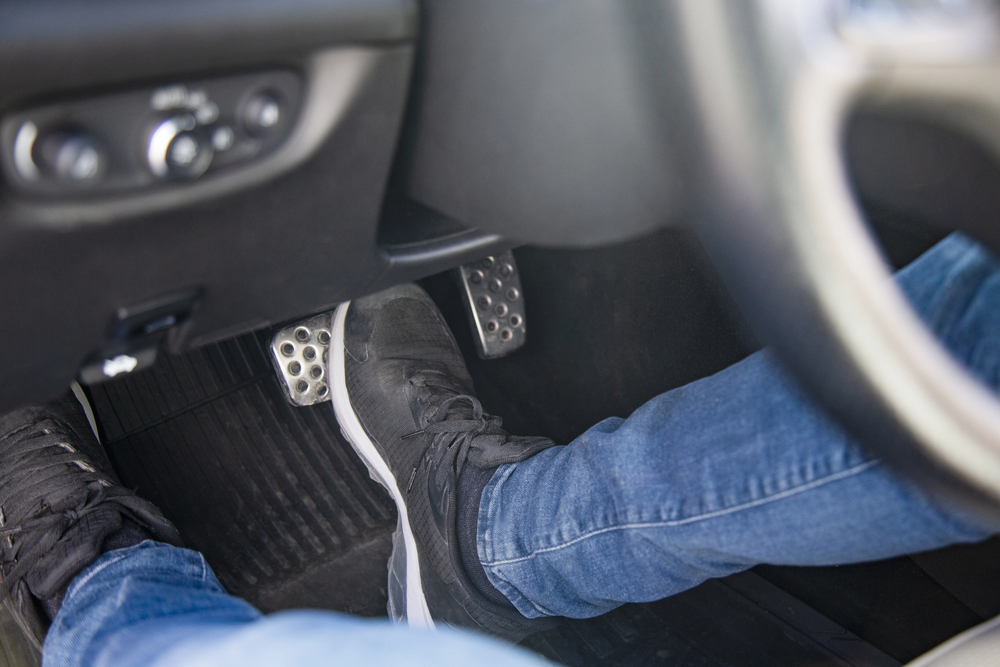
Regular hard braking accelerates brake pad wear and overheats components.
Brake pads aren’t cheap, especially on European cars. Regular panic stops wear pads faster than TikTok trends fade, meaning earlier replacement costs. Instead of treating the brake pedal like a suggestion box, consider engine braking through downshifting.
Think of downshifting as a trust fall that actually works. The engine shares the stopping load, saving brake wear. Approaching a stop light? Ease off the gas and drop a gear for a smooth glide to a halt.
6. Ignoring Your Check Engine Light
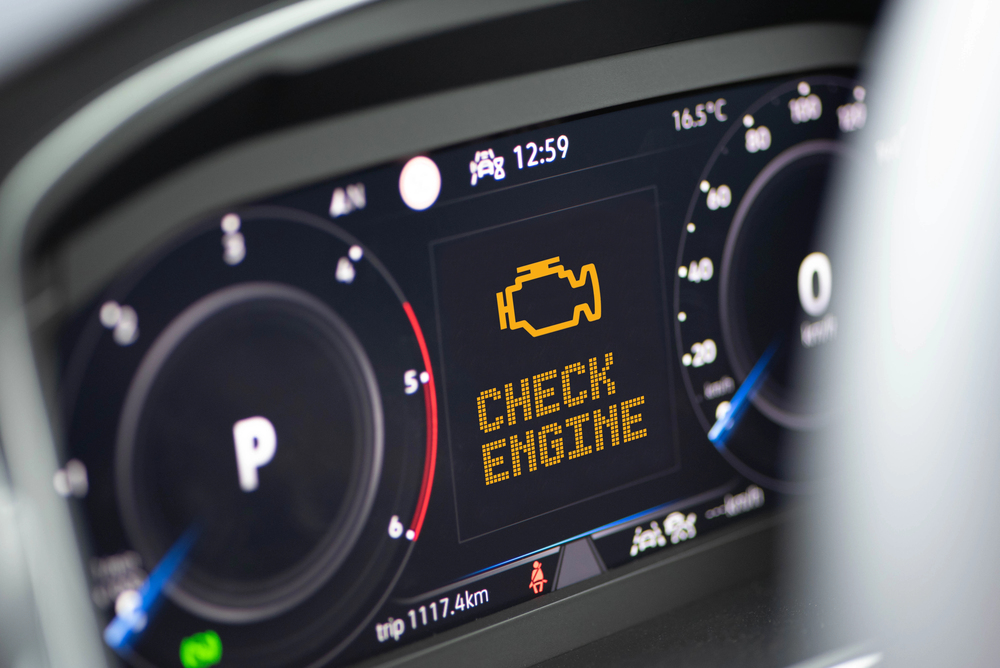
Small sensor issues escalate into major system failures when ignored.
Treating the check engine light as dashboard décor plays automotive Russian roulette. Sometimes it’s just an O2 sensor issue—a relatively cheap fix. But ignoring it turns warning lights into useless nightlights while minor problems become catalytic converter replacements.
Car sensors function like a nervous system; that light means something demands attention. Prompt diagnosis prevents small, fixable faults from snowballing into total meltdowns. Address it, or prepare to watch wallets hemorrhage cash.
7. Overloading Your Car Regularly

Excess weight stresses suspension, brakes, and tires while increasing stopping distances.
Driving with too much cargo resembles wearing a 70-pound weighted vest—every trip becomes leg day whether wanted or not. Repeated overloading causes wear on suspension, brakes, and tires. Extra weight also increases stopping distances, creating safety concerns.
Trucks have rated payloads, but regularly hauling heavy loads in sedans deserves reconsideration. Those components weren’t designed for constant overwork.
8. Constantly Flooring Your Car

Aggressive driving increases engine wear and fuel consumption significantly.
Flooring it everywhere shows how much someone enjoys watching their engine age prematurely. Occasional spirited drives are fine—like hot yoga sessions for engines. However, consistently driving like auditioning for The Fast and the Furious wears components while hiking gas bills.
Constant strain isn’t ideal, regardless of brief adrenaline rushes. Think of it like constantly sprinting instead of jogging—great for short bursts, disastrous for long-term health.
9. Prematurely Shifting to Reverse

Shifting while moving forward shocks transmission components and can require expensive repairs.
Picture trying to parallel park while the car still creeps forward, then slamming the gearshift into reverse. Total chaos follows. Transmissions aren’t designed for that whiplash—it’s like asking a ballerina to suddenly tango.
Shifting to reverse while moving forward sends shockwaves through gears designed for opposite rotation. The result? Transmission rebuilds costing thousands of dollars. Come to a complete stop first, unless coffee-grinder sounds appeal.
10. Constantly Running on Very Low Fuel

Near-empty fuel tanks can overheat fuel pumps and introduce sediment into the system.
Driving with the fuel light as a permanent dashboard feature strains the fuel system. Nearly empty tanks stress fuel pumps because they rely on gasoline for cooling. Running low fuel is like marathon running in a parka.
Keep fuel above a quarter tank to prevent pump overheating and potential sediment issues. When filling up, stop at the first automatic click—repeated topping off after pump shutoff isn’t recommended by manufacturers.
11. Not Cleaning the Underside in Winter
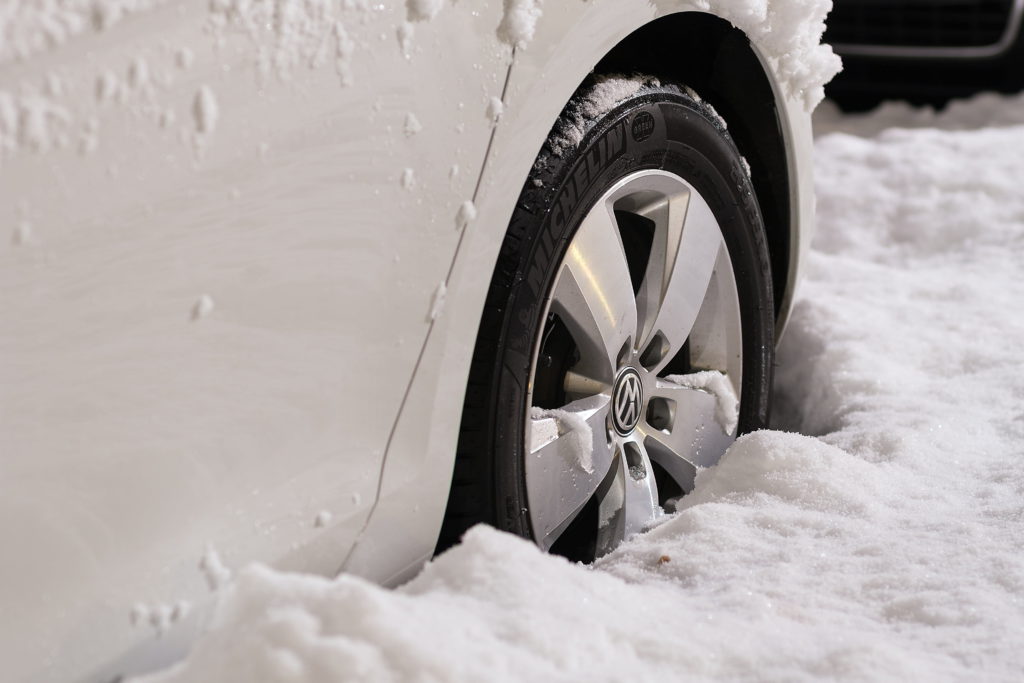
Road salt corrodes brake lines, control arms, and structural components.
Snow Belt residents face automotive warfare. Road salt transforms from winter savior to vehicular villain when caked onto undercarriages. That salty sludge corrodes everything from brake lines to control arms—literally everything metal underneath.
Severe corrosion can cause suspension component failures that create serious safety hazards. Living where winter reigns means treating car underbellies seriously. Regular car wash undercarriage rinses prevent expensive subframe replacements.
12. Resting Your Hand on the Gear Lever

This commonly feared habit ranks far below major maintenance errors in real-world impact.
For those treating gear sticks like stress balls, the concern is largely overblown. While constantly side-loading shift forks could theoretically cause wear in manual transmissions, it’s small potatoes compared to major maintenance errors like wrong fuel grades or skipped oil changes.
Credible sources mention potential risks, but prioritize fluid neglect and warning light ignorance as far more destructive habits. Keep both hands on the wheel if paranoid, but don’t lose sleep over this one.