You drive off the lot thinking you own your car, but that little black box tucked under your dashboard tells a different story. Dealerships routinely install GPS tracking devices on financed vehicles, turning your daily commute into a surveillance operation that would make your smartphone jealous.
What Dealers Are Actually Installing
These aftermarket devices transform your car into a mobile tracking beacon.
These aren’t factory features or anti-theft systems. Aftermarket GPS trackers plug directly into your car’s OBD-II port—that diagnostic connector hiding under your steering wheel. Companies like PassTime and SVR Tracking sell these devices specifically to dealerships dealing with high-risk borrowers.
Your location gets beamed to cellular towers every few minutes, creating a digital breadcrumb trail accessible through dealer dashboards. The technology works independently of your car’s built-in systems, operating through cellular networks and GPS satellites to provide real-time monitoring.
Remote Control Over Your Ride
Many systems can instantly disable your vehicle from miles away.
The tracking is just the appetizer. Many devices include starter-interrupt technology, meaning dealers can remotely disable your engine if payments go south. Miss a payment? Your car becomes a very expensive paperweight until you square up with the lender.
The PassTime TRAX system markets this feature as “collateral protection,” but it’s really about making repossession as efficient as ordering takeout. Some models also collect driving behavior data like speeding patterns and harsh braking incidents.
Why This Happens and Where
Buy-Here-Pay-Here dealers use these systems to slash collection costs dramatically.
Buy-Here-Pay-Here dealers—those handling subprime customers who can’t get traditional financing—love these systems. Instead of hiring private investigators to track down delinquent borrowers, they just check their laptop.
SVR Tracking claims dealers save 25-30% on collection costs, which explains why these devices are spreading faster than TikTok trends. The technology eliminates traditional “skip-tracing” methods, allowing immediate vehicle location for repossession agents.
Spotting the Spy in Your Ride
Consumer disclosure requirements vary by state, but legitimate installations need your consent.
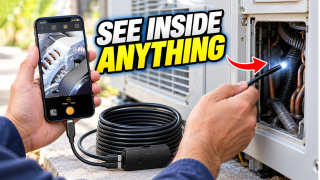
Check your financing paperwork for terms like “telematics device,” “GPS tracker,” or “collateral protection system.” The device itself usually looks like a small black box attached to the OBD-II port or hardwired near the fuse panel.
Some installations are sneakier than others, but legitimate ones require disclosure in your contract. Nonconsensual installation violates privacy laws in most states.
Ask your dealer directly: “Has any tracking or starter-interrupt device been installed?” Their answer—and how quickly they give it—tells you everything. Your financing terms should never include surprise surveillance, no matter how subprime your credit score.