That box of Cheerios you grabbed last week? Another shopper paid 23% less for the same product at the same store. Welcome to AI-powered dynamic pricing, where algorithms decide your “willingness to pay” faster than you can scan a barcode.
Instacart’s experiments across major chains like Albertsons, Costco, and Kroger revealed identical groceries carrying wildly different price tags—not based on sales or timing, but on sophisticated AI calculations. These weren’t random glitches but deliberate pricing variations designed to maximize revenue from each customer interaction.
Smart Shelves, Smarter Algorithms
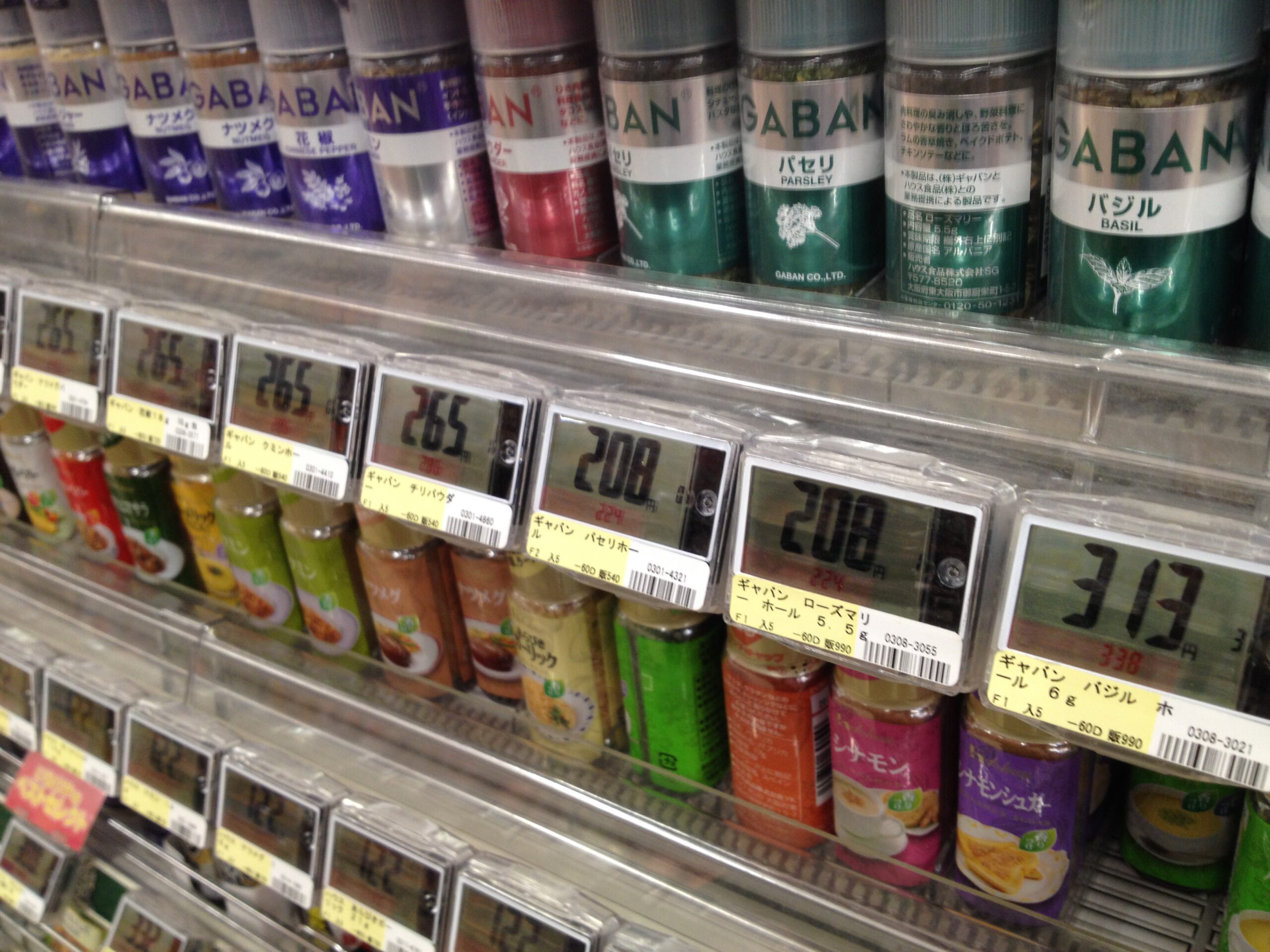
Electronic shelf labels turn every aisle into a real-time pricing laboratory.
Electronic shelf labels have transformed those paper price tags into digital displays that update instantly. These smart shelves connect to AI systems analyzing everything from weather patterns to inventory levels, competitor pricing to demand fluctuations.
Over 39% of retailers now use real-time AI pricing, turning your grocery run into a data-driven revenue optimization exercise. The technology promises retailers margin boosts of 2-5% while claiming to align prices with market demand. Think surge pricing for your weekly shopping, but without the transparency Uber provides.
The Surveillance Pricing Problem
When algorithms know too much about what you’ll spend.
Instacart’s “smart rounding” and varying discount displays created what critics call “fictitious pricing.” The company used tactics like showing different “original” prices to manufacture savings that never existed.
“Fictitious pricing… turbocharged by dynamic pricing algorithms harms consumers and distorts competition,” according to Laura Smith from Truth in Advertising. While current systems avoid using personal shopping history, the infrastructure exists to make prices as personalized as your Netflix recommendations—and potentially just as manipulative.
The Regulatory Reckoning
Government scrutiny forces major pricing experiments to halt.
Instacart pulled the plug on these AI pricing experiments in December 2024 amid growing scrutiny from consumer advocates and regulatory attention. The FTC has launched inquiries into data-driven individualized pricing, recognizing the shift from fair market competition to algorithmic profit extraction.
Your grocery store receipt increasingly reflects not market value, but an AI’s assessment of your spending patterns. As dynamic pricing spreads beyond e-commerce into every shopping aisle, the price on the shelf becomes less about cost and more about computational psychology.