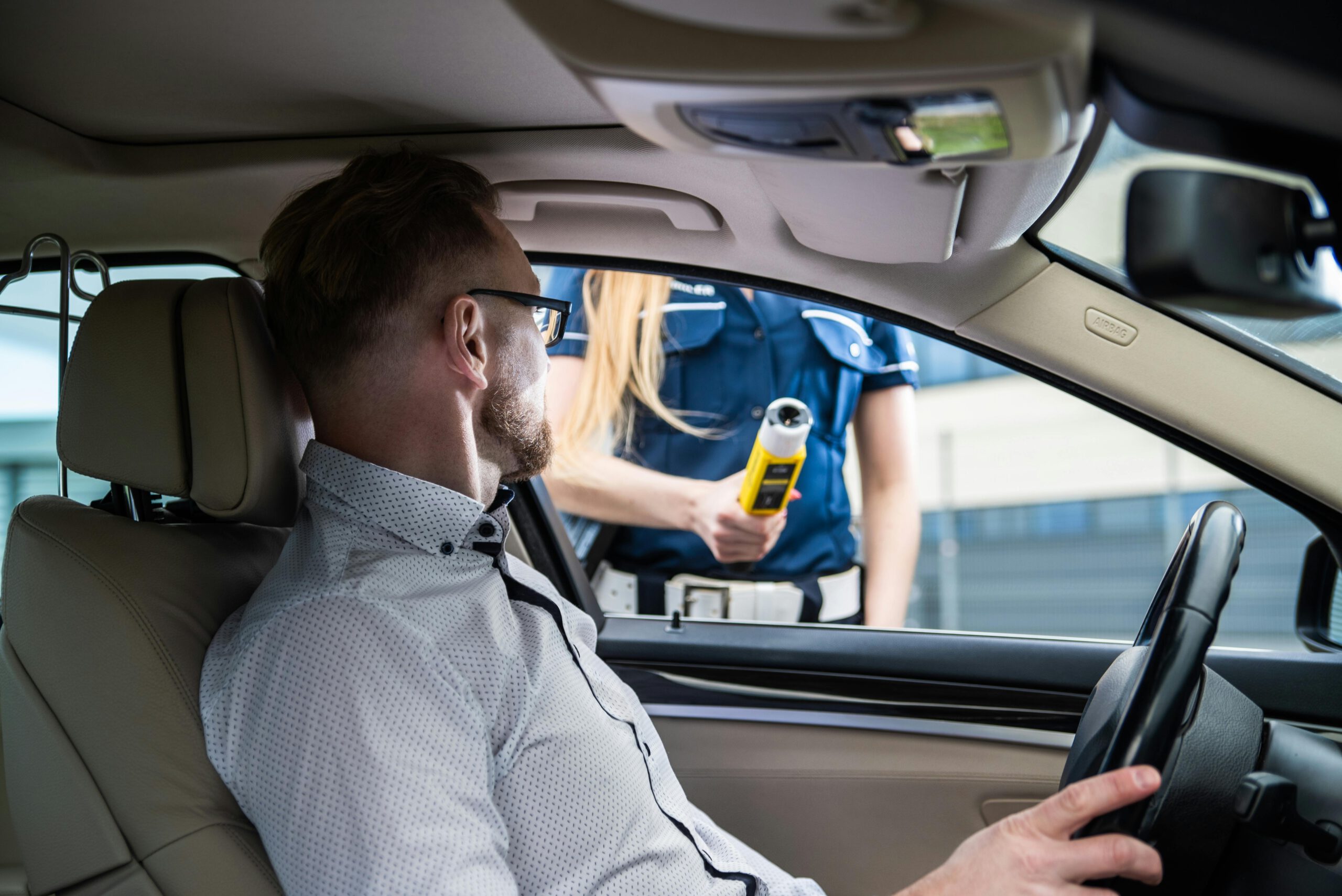
Court-mandated breathalyzers exist to keep dangerous drivers off roads, but a cyberattack has turned these safety devices into digital ankle braces. Since March 14, thousands of drivers across 46 states have found themselves trapped—not by law enforcement, but by failed servers that won’t let their cars start.
The Digital Leash Breaks Down
Server outages lock vehicles when required calibrations can’t connect to company systems.
Intoxalock’s ignition interlock devices require users to blow clean before starting their vehicles, then demand periodic recalibration every 30 to 120 days via company servers. When cybercriminals overloaded those servers, the whole system collapsed, creating widespread computer problems. Cars sit stranded at auto shops. Rural drivers have no transport options.
The company’s spokesperson Rachael Larson calls it a “precautionary pause.”
Coast-to-Coast Tech Meltdown
From Maine to Minnesota, drivers discover their compliance device has become their captor.
The geographic scope reads like a bad Netflix thriller: 46 states affected, potentially 150,000 annual users impacted. Intoxalock offers band-aid solutions:
- 10-day calibration extensions at service centers (unless you’re in Arkansas, Massachusetts, Michigan, or Washington)
- Roadside assistance at 844-226-7522
- Towing reimbursement if you keep receipts
The devices still work for breath tests, but that’s like saying your smartphone works fine except for the calling part. For those facing extended vehicle downtime, some may need to consider basic car fixes while waiting for system restoration.
When Connected Cars Disconnect You
The attack exposes how IoT vulnerabilities can weaponize everyday safety technology.
This isn’t just another data breach story. It’s a preview of what happens when mission-critical consumer devices depend on cloud servers that cybercriminals can target. The company insists user data remains secure and won’t reveal if ransom demands were made, but security experts note that “organizations facing such service interruptions often experience significant reputational damage and potential regulatory scrutiny.”
The real damage isn’t reputational—it’s stranding people who’ve followed court orders to prove their sobriety, only to be punished by someone else’s cybersecurity failure. The ultimate irony? Technology designed to prevent impaired driving has created a different kind of transportation crisis, leaving responsible drivers as roadkill in someone else’s cyberwar.
Update: Rachel Larson reached out to us via email with this statement:
“Our Intoxalock devices have been fully operational during the temporary system pause.” She added, “To clarify, our customers who required a calibration beginning March 14, or those who went into a lockout as required by their state (ex. blowing in the device after consuming alcohol), which then requires calibration. To be clear, this is not the majority of our customers. Because it is being reviewed, I cannot speak to the exact number.
Those who were required to calibrate their device were impacted due to the system that the calibration process is connected to. It is an advanced calibration system. This group did experience a delay in starting their vehicle, and we have created a solution for this in the vast majority of states.
We developed a new system app that was pushed to all of our calibration devices while coordinating with state regulators to provide a temporary solution while we work to reinstate our systems’ 10‑day service‑date extension issued on March 18. You can view participating states at learn.intoxalock.com/status.
We also set up a designated texting line immediately. At this time, we have responded to 100% of our customers. We’ve also posted towing options at the link above, and we will cover any costs directly caused by the temporary system pause.
Because the devices are working and have been, customers should continue to use them as intended.”
3/22/2026: Article was updated to add clarification from Mindr’s Director of Communications, Rachel Larson who reached out to us by email.