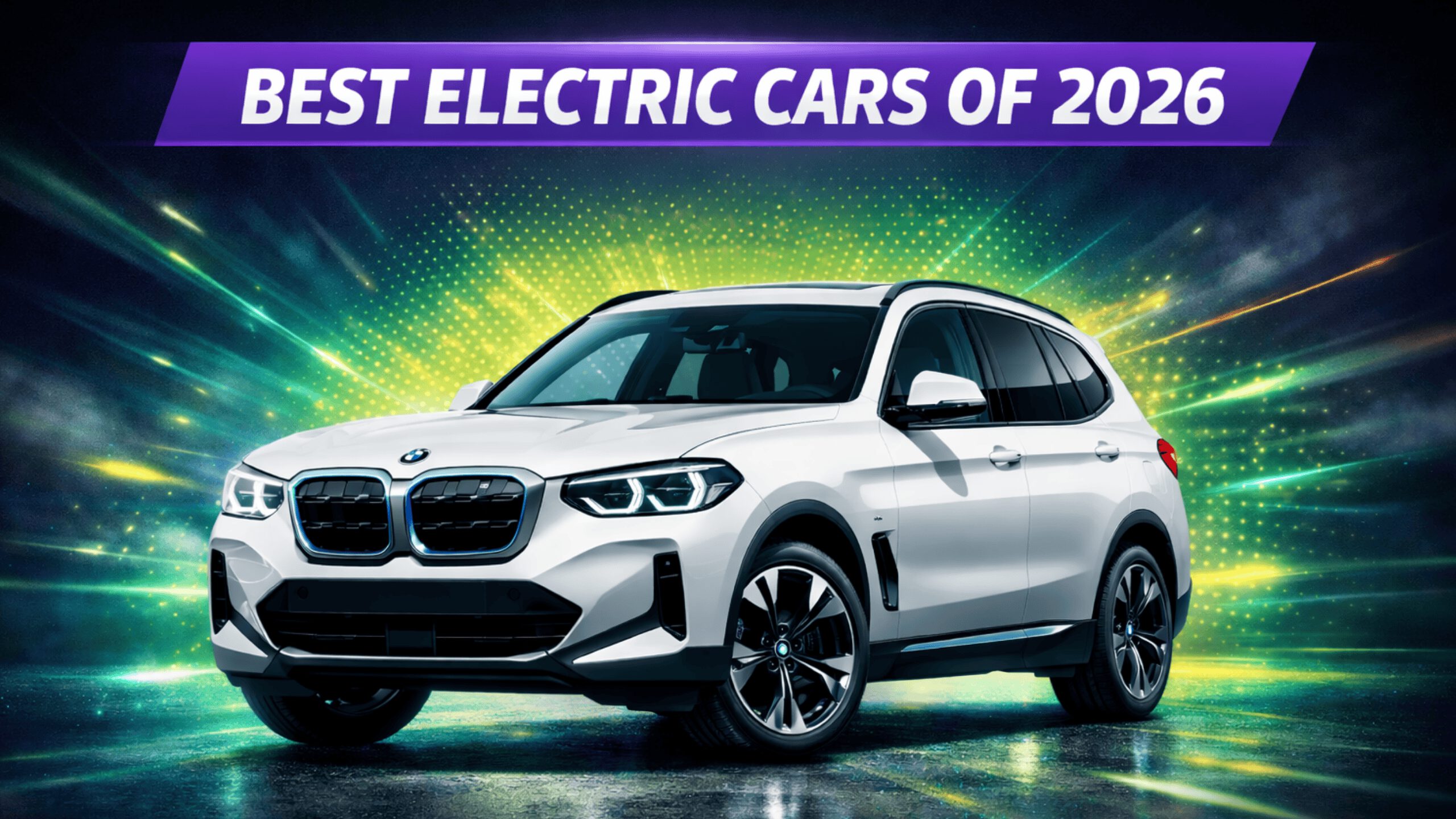
The electric vehicle landscape in 2026 is shaping up to be more volatile than a TikTok dance craze. As manufacturers ramp up production and governments tweak incentives, knowing which EVs to watch and which to avoid could save you from owning a high-tech paperweight. We’ve sifted through the noise, focusing on models boasting impressive range (think 250–400+ miles or 402-643+ kilometers), rapid charging capabilities (150–400 kW), and real-world value. Think of it as choosing between a Michelin-star meal and reheated airplane food.
6. BMW iX3 (Exterior)
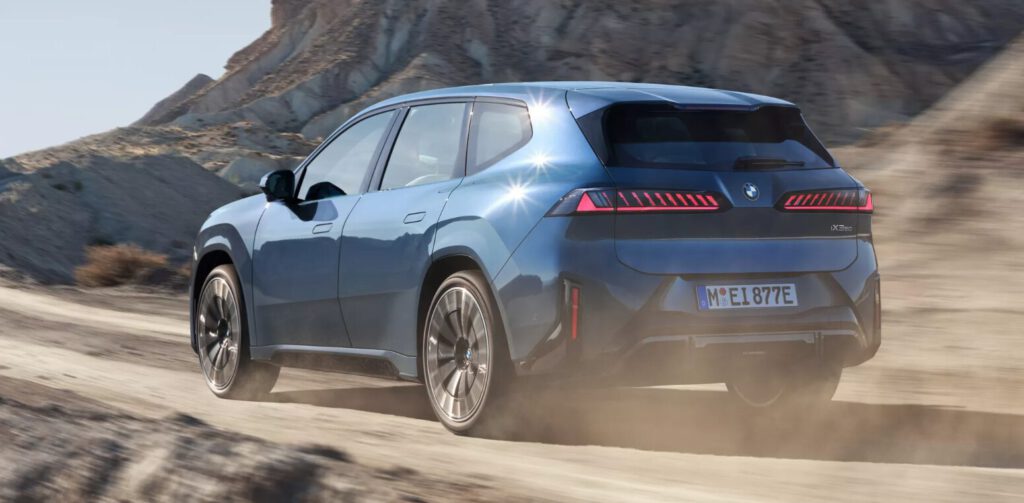
Fast charging meets luxury tech in this redesigned electric SUV.
BMW claims its redesigned iX3 boasts up to 400 kW charging, which could deliver 230 miles (370 km) in just 10 minutes. Anyone who’s ever needed a quick power-up during a road trip knows this feature alone might justify ditching your current EV. You’ll spend less time charging than trying to find a clean gas station bathroom.
BMW iX3 (Interior)
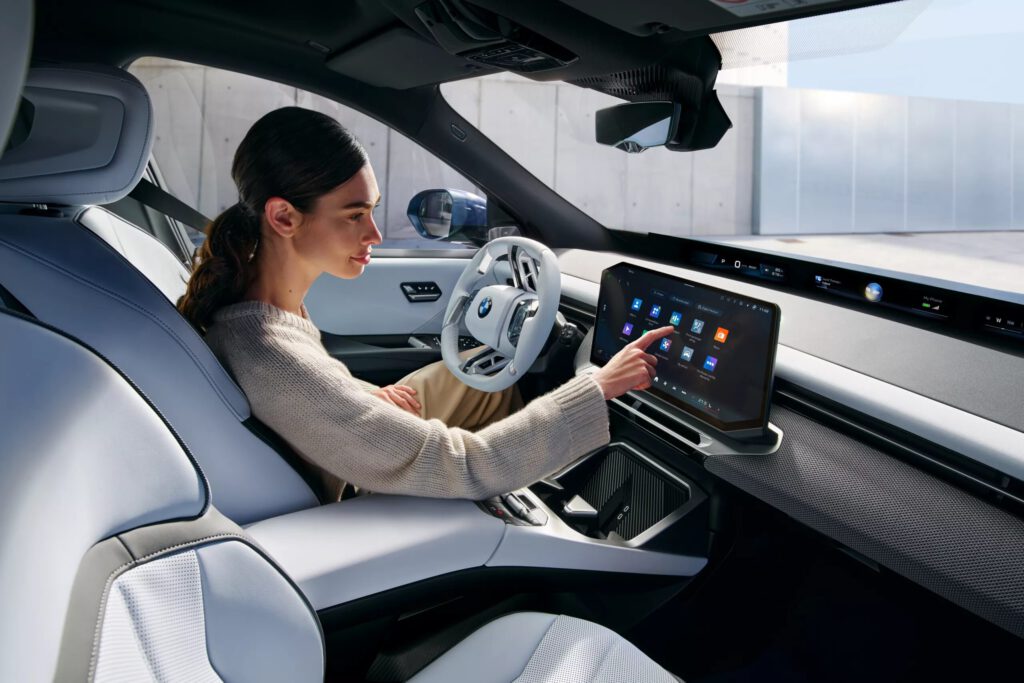
The iX3 doesn’t skimp on tech either. It features a 17.9-inch infotainment display and a 43-inch gauge display, bigger than the screen in my first apartment. With an expected price starting around $60,000 and sales kicking off summer 2026, the iX3 blends luxury with gotta-have-it technology like bringing a Swiss Army knife to a knife fight.
5. Chevrolet Bolt (Exterior)
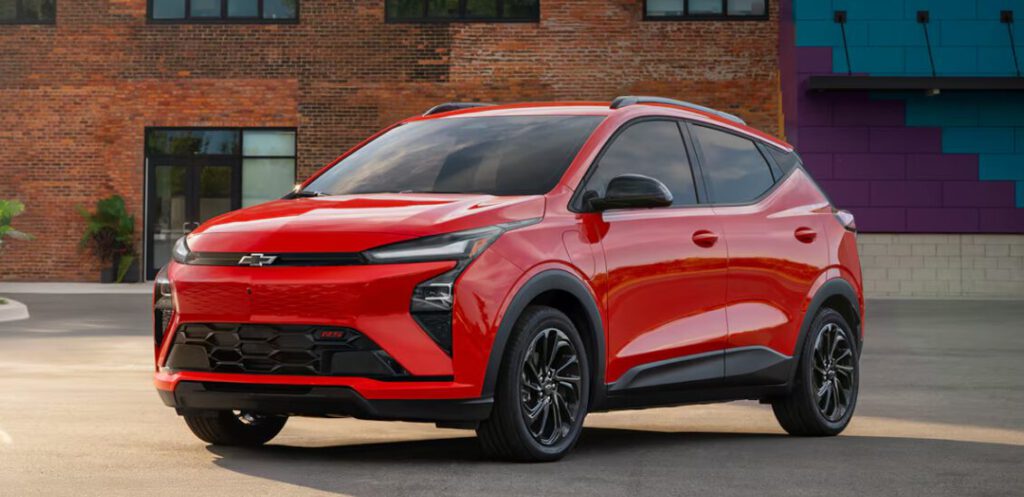
Budget-friendly EV returns with Tesla Supercharger compatibility.
Hunting for an EV that doesn’t require selling a kidney? The Chevrolet Bolt is back for 2026, sporting a price tag from $28,995. Picture swiping right on a Tinder profile, only to discover that your “budget-friendly” date actually shows up in a supercar. Its affordability doesn’t skimp on performance, packing a 210-hp motor.
Chevrolet Bolt (Interior)
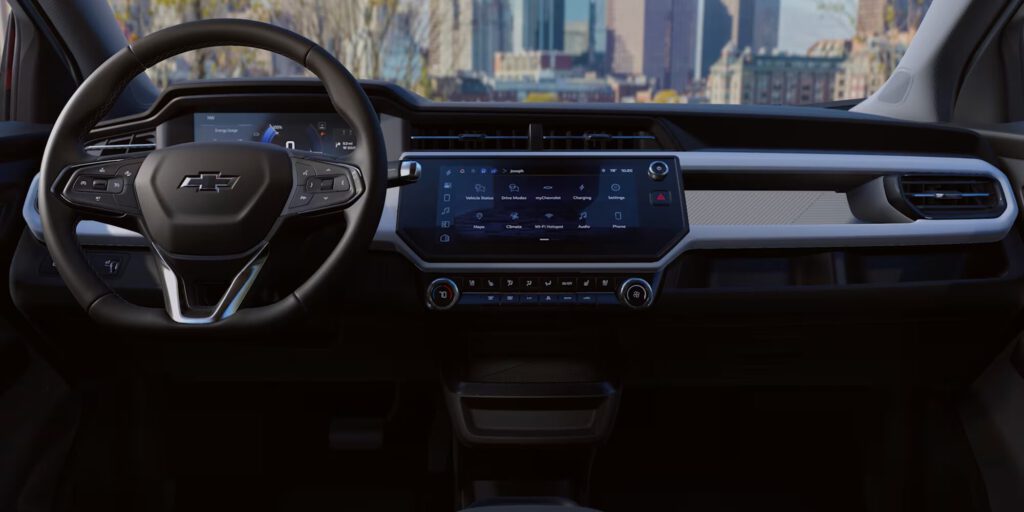
The 65-kWh LFP battery offers roughly 255 miles (410 km) of range. Charging from 10–80% takes just 26 minutes using a 150 kW DC fast charger, plus it’s Tesla Supercharger compatible. Road trip ready without draining your bank account? It’s basically the mullet of EVs: business in the front, party in the back, accessible to almost everyone.
4. Kia EV4 (Exterior)
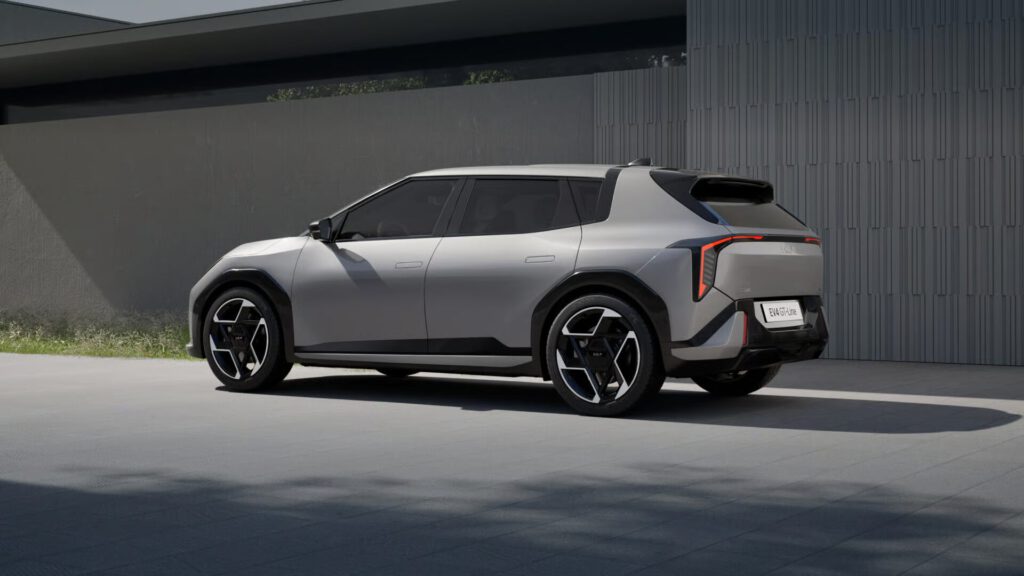
Fleet-focused range champion targets commercial buyers.
Expected to hit around 625 km (~388 miles) under WLTP testing, the Kia EV4 becomes less of a car and more of a “where’s the charger?” stress reliever. Fleet managers who spend half their day crunching numbers and the other half fielding calls about stranded drivers will find this kind of range clutch.
Kia EV4 (Interior)
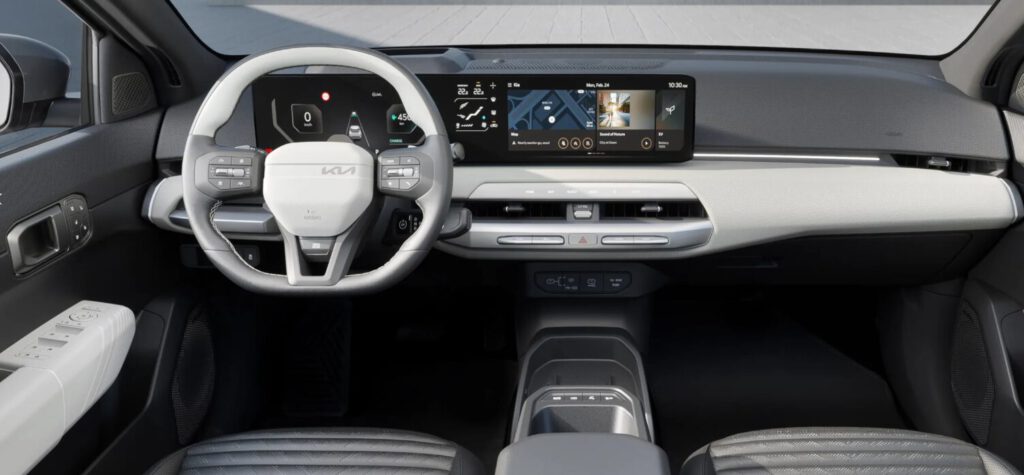
Positioning the EV4 for fleets isn’t just smart; it’s practically commercial imperative territory. Think of it as swapping out gas guzzlers for something that doesn’t require a second mortgage to fuel. This EV handles the daily grind without sacrificing operational range.
3. Mercedes CLA Shooting Brake Electric (Exterior)
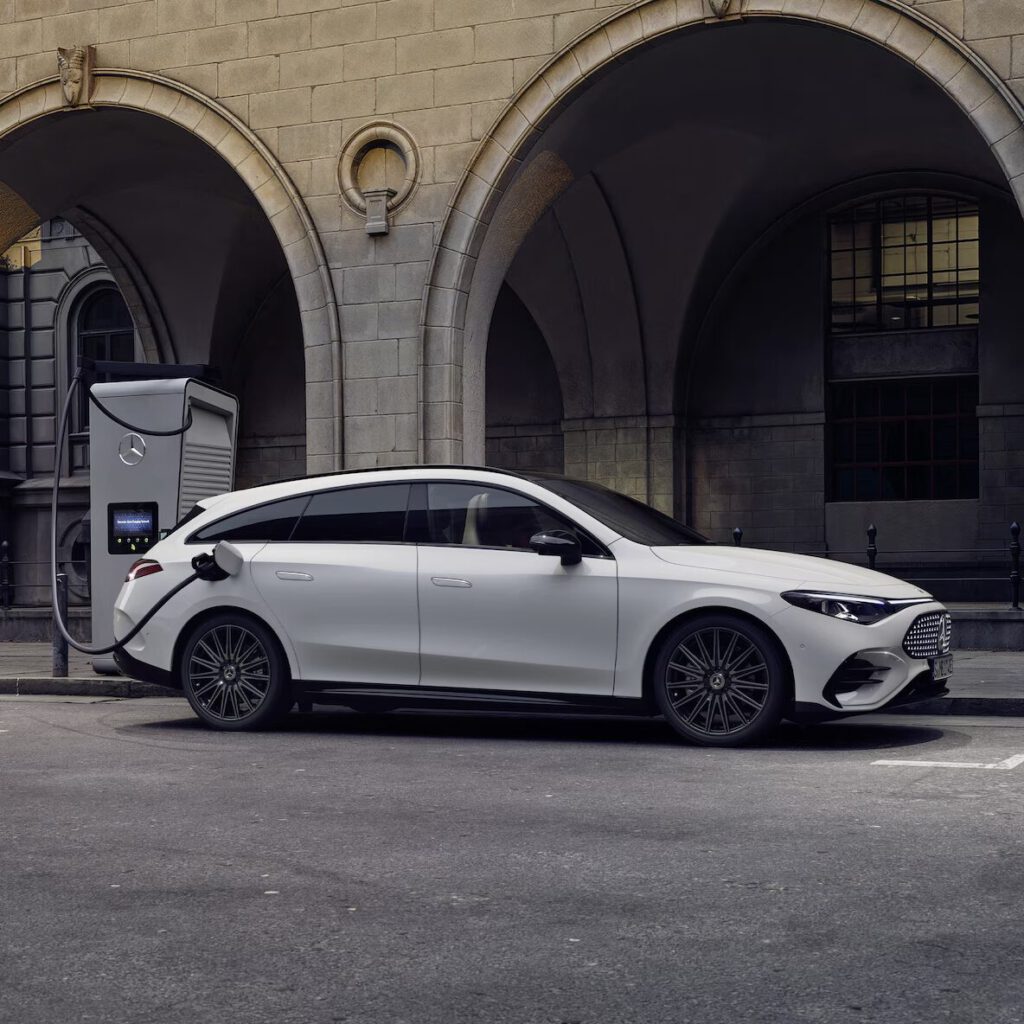
Premium luxury meets ultra-long range in late 2026.
The CLA Shooting Brake electric is gunning for “best” in the luxury EV segment, slated for late 2026. You get an impressive range of up to 791 km (~491 miles) WLTP, plus ultra-fast charging that makes juice-ups quicker than deciding what to stream next.
Mercedes CLA Shooting Brake Electric (Interior)
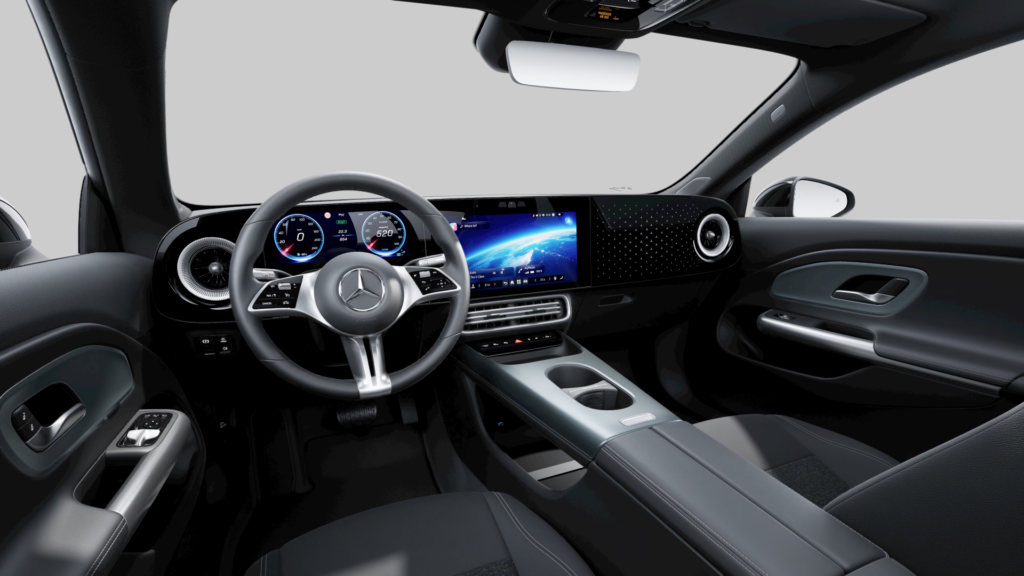
For those wanting high-end range without looking like they’ve given up on style, the CLA Shooting Brake positiofns itself as the premium choice. Think of it as the automotive equivalent of a well-tailored suit: performance you need, wrapped in a package bound to turn heads.
2. Mercedes GLC EV (Exterior)
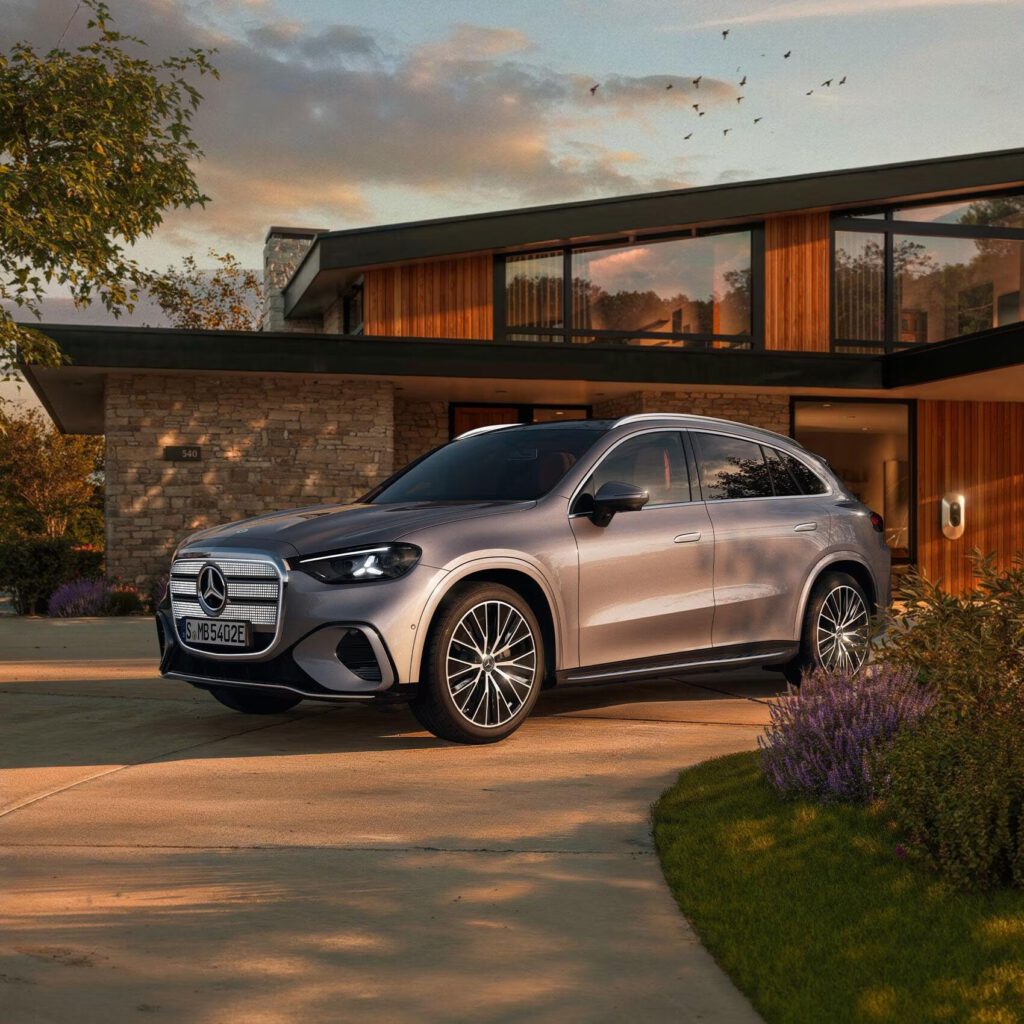
Advanced charging tech meets massive battery capacity.
With a 94-kWh battery promising around 400 miles (644 km) of range, the Mercedes GLC EV addresses every EV driver’s range anxiety. You can get 188 miles (303 km) back in just 10 minutes with its 330 kW charging capability—quick pit stops, not full bladder-busting waits. Launching late 2026, this might be worth the wait.
Mercedes GLC EV (Interior)
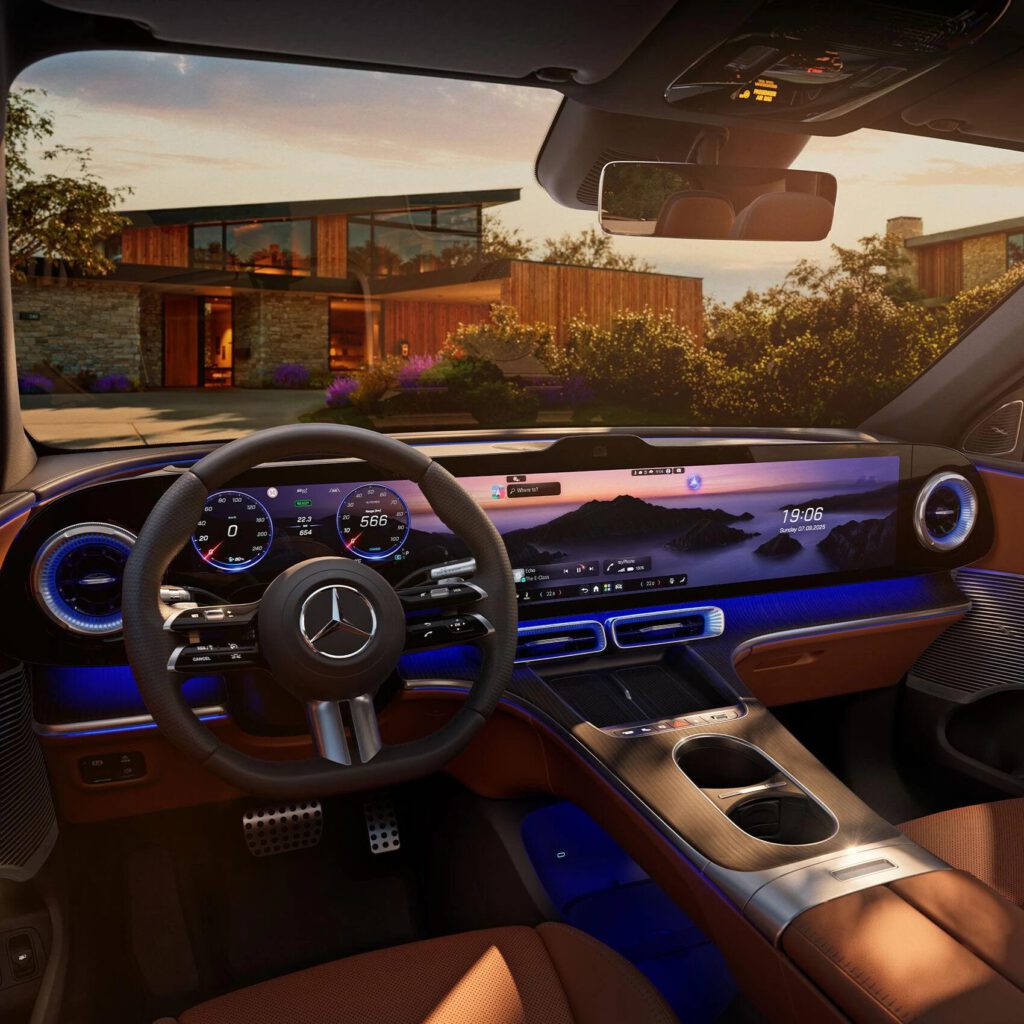
The available 39.1-inch Hyperscreen makes your dashboard look like the control panel of the Starship Enterprise. Mercedes seems serious about grabbing a slice of the EV pie, and it’ll be interesting to see how this impacts the competitive landscape.
1. Skoda Elroq 85 (Exterior)
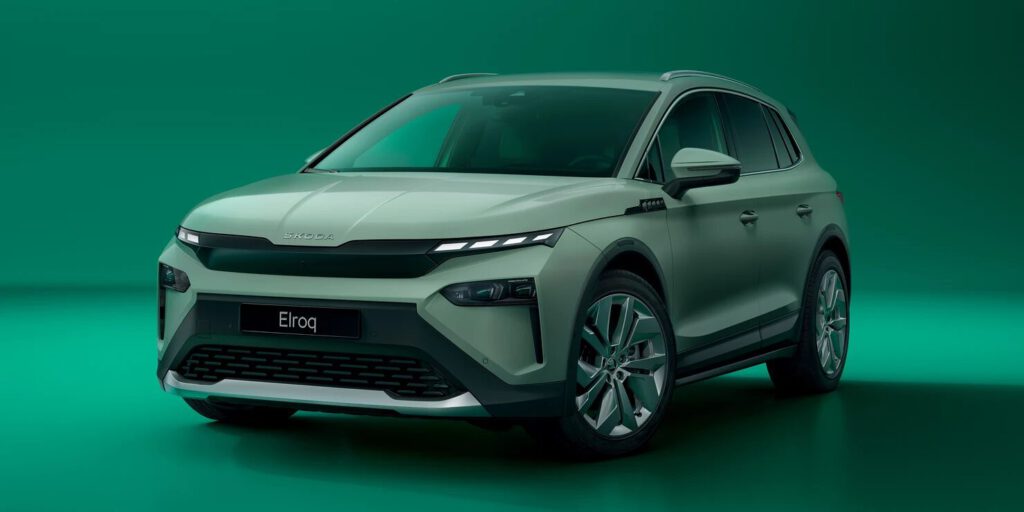
Strong range contender for long-distance drivers.
Skoda’s Elroq 85 makes a strong case with its WLTP range of 573 km (~356 miles), gunning for long-distance drivers who’ve been burned by EVs that conk out faster than your phone during a TikTok binge. Tired of planning road trips around charging stations like some electron-fueled treasure hunt? This could be your chariot.
Skoda Elroq 85 (Interior)
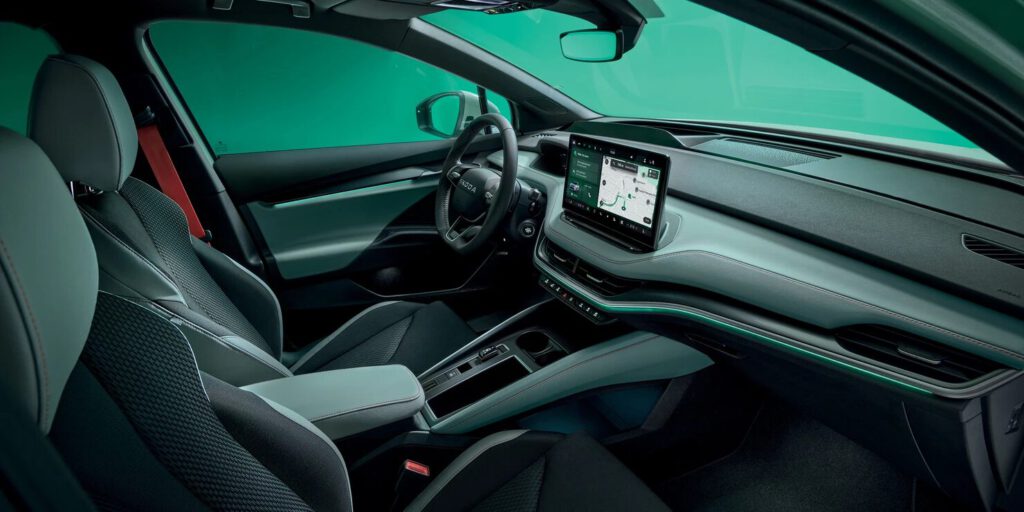
Think of it as finally finding jeans with pockets that actually hold your phone. The Elroq 85’s extended range offers less anxiety, more freedom, and fewer awkward silences while waiting for a charge. This one might save you from being that guy stranded roadside with a dead battery.
0. Nissan Ariya (Skip This One) (Exterior)
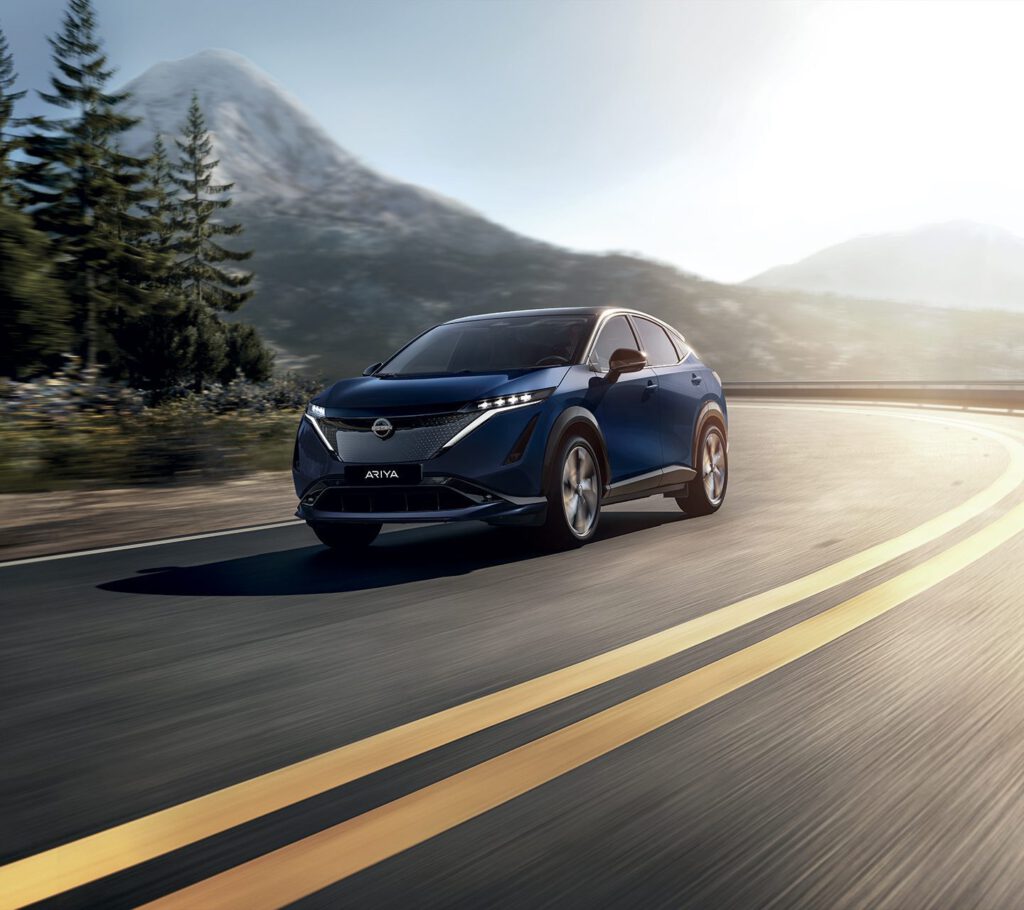
Cancelled due to poor sales and policy challenges.
Sales figures cratered so hard that the Nissan Ariya got axed—a real “wait, what?” moment for EV shoppers. Potential buyers, lured by Nissan’s EV history (remember the Leaf?), found themselves ghosted. Tariffs and the car’s failure to qualify for a tax credit only poured salt in the wound.
Nissan Ariya (Interior)
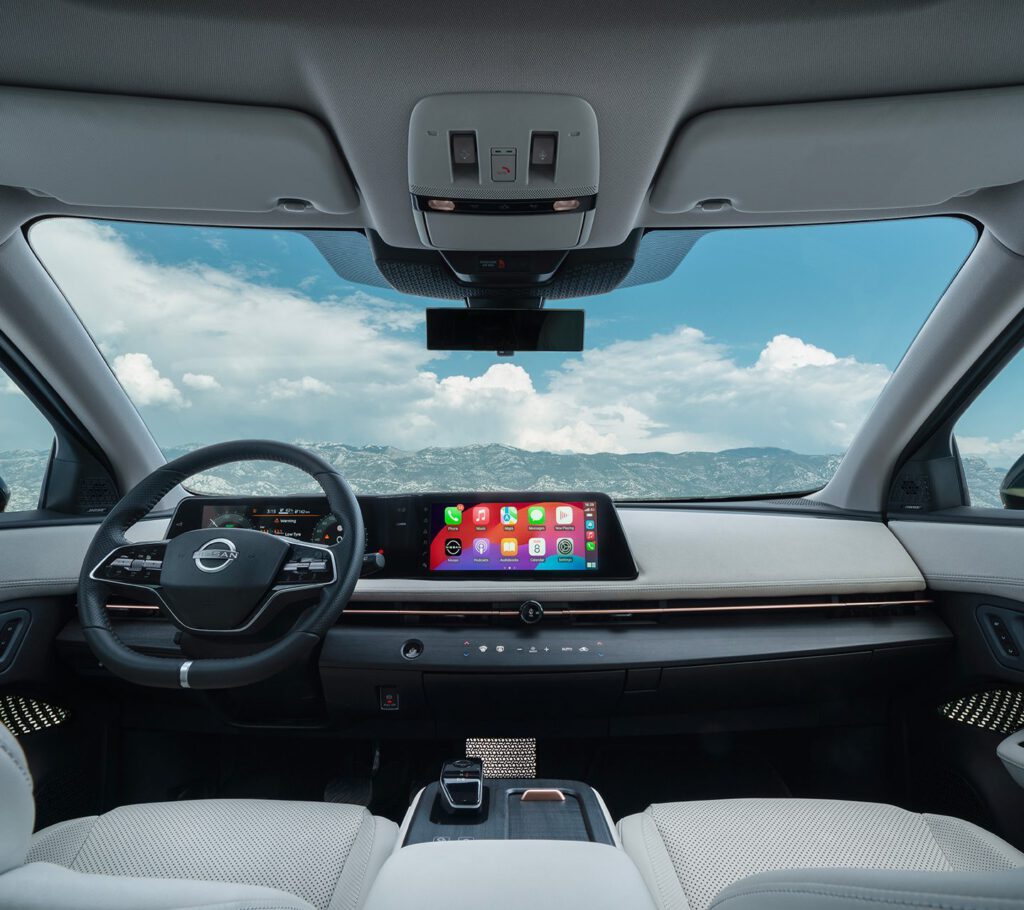
The Ariya seemed poised to give Tesla and others a run for their money, but now it’s just another cautionary tale. Nissan’s exit feels like when your favorite show gets canceled mid-season. Maybe they’ll pull a Netflix and revive it later, but for now, Ariya’s off the table.