
There is a version of the future where everything is wireless, rechargeable, and self-sustaining. That future has not arrived yet. In the meantime, your home probably runs on AA and AAA batteries in more ways than you fully appreciate until something stops working at the worst possible moment. The devices below fail predictably, and at the least convenient times, and every single one of them depends on power that costs less than a cup of coffee to restore.
Batteries Plus is currently running a deal worth knowing about before you get to the end of this list. Buy a 24-pack of Energizer Max AA or AAA batteries and save $5, or pick up two 24-packs and save $12. Until May 31st, for every pack sold, Batteries Plus and Energizer donate to the Arbor Day Foundation to plant a tree. It is a restocking errand that does a little more than usual.
1. TV and Streaming Remote

- Standard batteries: 3 to 6 months
- Premium alkaline: 12+ months
The TV remote is the most replaced battery device in the average home, and also the most taken for granted. You use it dozens of times a day, set it face-down on couch cushions, and never think about it until it stops responding mid-show. At that point, the search for batteries begins, usually ending with a pair pulled from something else that then also stops working two weeks later.
The quality of the battery matters more here than in almost any other device on this list, because the usage is constant and the drain rate is high. Premium alkaline like Energizer Max can double the lifespan you’d get from a standard cell, which means fewer replacements and fewer moments of cushion excavation. Batteries Plus has Energizer Max 24-packs at $5 off right now, and every pack sold plants a tree through the Arbor Day Foundation through May 31st.
2. Wireless Mouse

- Standard batteries: 3 to 6 months
- Efficient models: up to 12+ months
A dead wireless mouse at the wrong moment is one of the more infuriating experiences in modern computing. It almost always happens mid-task, during a call, or right before a deadline, and unlike your laptop battery, there is no percentage indicator counting down to warn you. The mouse just stops, and the work stops with it.
What makes this one easy to get ahead of is that the fix is permanently in your desk drawer if you keep a spare on hand. Most wireless mice give a brief warning period where tracking becomes inconsistent before they quit entirely, which is just enough time to swap if you have a battery ready. The problem is that most people don’t, which is exactly why it always seems to happen at the worst possible moment.
3. Gaming Controller

- Xbox controller runtime: 20 to 40 hours per set
- Real-world lifespan: 1 to 3 weeks depending on playtime
Your console controller is the one device where you’ve largely accepted that batteries are part of the deal, and you still manage to run out at the worst possible moment. The controller dies at the end of a long session, during a multiplayer match, or right before a save point, and the replacement batteries are never where you left them.
The short runtime is what makes this one worth planning for specifically. Unlike most devices on this list that last months between changes, a gaming controller can go through a set of AAs in under two weeks during a heavy gaming stretch. A dedicated supply next to the console removes the scramble entirely. Pick up two 24-packs of Energizer Max at Batteries Plus right now and save $12 while putting trees in the ground through their Arbor Day Foundation partnership.
4. Kids’ Toys

- Average battery life: 2 to 6 months
- Motors, lights, and speakers: considerably faster
Nothing causes more acute household stress than your kid’s toys during the holidays or birthdays. The toy arrives, they want to use it immediately, and the back of the packaging lists a battery requirement that nobody checked in advance. The toy sits there, fully assembled and completely inert, while someone drives to a store.
The variance in the lifespan range is worth understanding before you buy: a simple toy with a speaker drains far faster than one that just lights up, and anything with a motor runs through batteries at a rate that feels almost aggressive. Buying in bulk before the predictable demand windows open, gift-giving occasions, school breaks, and sleepovers is the move that separates your household from the ones making emergency runs on Christmas morning.
5. Wireless Keyboard

- Average battery life: 6 to 24 months
- One of the longest-lasting devices due to low power draw
Your wireless keyboard tends to last a long time between battery changes, which is precisely why it catches you off guard when it finally dies. It works perfectly for a year, then goes silent one morning with no warning, and you can’t remember the last time the batteries were changed because it has never come up before.
The long lifespan creates a false sense of security that catches almost everyone eventually. Because the failure is so infrequent, it never quite makes the mental list of things to stay stocked for, which is exactly why so many people end up hunting through junk drawers for loose batteries when it finally happens. Batteries Plus carries Energizer Max in the sizes your keyboard needs, and right now, every pack sold through May 31st contributes to reforestation through the Arbor Day Foundation.
6. Bathroom Scale

- Average battery life: 6 to 12 months
- Longer with infrequent use, no warning before failure
Your bathroom scale dying mid-weigh-in is a minor inconvenience in isolation. It becomes more significant if you’re tracking health metrics consistently, where an unexpected gap in the data is a real disruption to the routine. Most digital scales run on AAA batteries and give very little warning before stopping, sometimes displaying an error code for a day or two, sometimes just going blank.
The no-warning failure mode is what makes this one worth mentioning. Most devices on this list at least give you a flickering screen or inconsistent performance before they quit. Scales tend to just stop, often in a way that leaves you wondering whether the reading you just got was accurate or a last gasp from a dying cell. Keeping a consistent supply at home means the fix is immediate rather than something you put off until the next grocery run.
7. Wall Clock

- Average battery life: 12 to 24 months
- Ultra-low drain, one of the easiest replacements on the list
Wall clocks are easy to overlook on a list like this because they aren’t interactive. You don’t pick up a wall clock; you just glance at it, and when it stops working, you probably won’t notice for longer than you’d like to admit. The clock shows the wrong time for days before it registers that something is off.
The failure mode here is low stakes but surprisingly disruptive; a stopped clock in your kitchen or bedroom creates the kind of low-grade confusion that compounds across a household before anyone identifies the source. It is also one of the easiest fixes imaginable once you have the battery on hand. Grab a 24-pack of Energizer Max at Batteries Plus, and you’re covered for years across every clock in the house, with $5 off and a tree planted for each pack sold through May 31st.
8. Wireless Doorbell
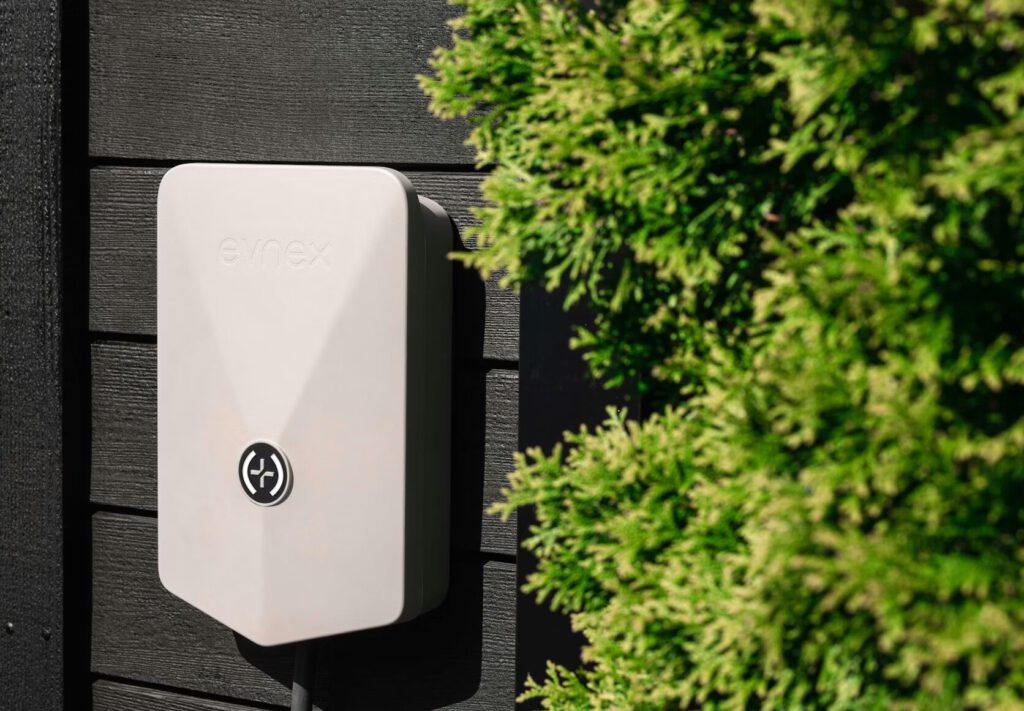
- Average battery life: 6 to 12 months
- Cold weather can cut that window by 20 to 40 percent
Your wireless doorbell running low on battery doesn’t always fail dramatically. It tends to fade, producing a quieter chime, a delayed response, or intermittent connectivity before stopping altogether. By the time it quits completely, you’ve probably already missed several visitors who assumed nobody was home.
The outdoor placement is what makes this one seasonally predictable in a way that most indoor devices aren’t. Cold air reduces battery capacity, and doorbells spend the winter exposed to exactly that. Restocking in the fall, before temperatures drop, is worth building into the same errand as your seasonal camera and smoke detector checks.
9. Trail and Security Camera
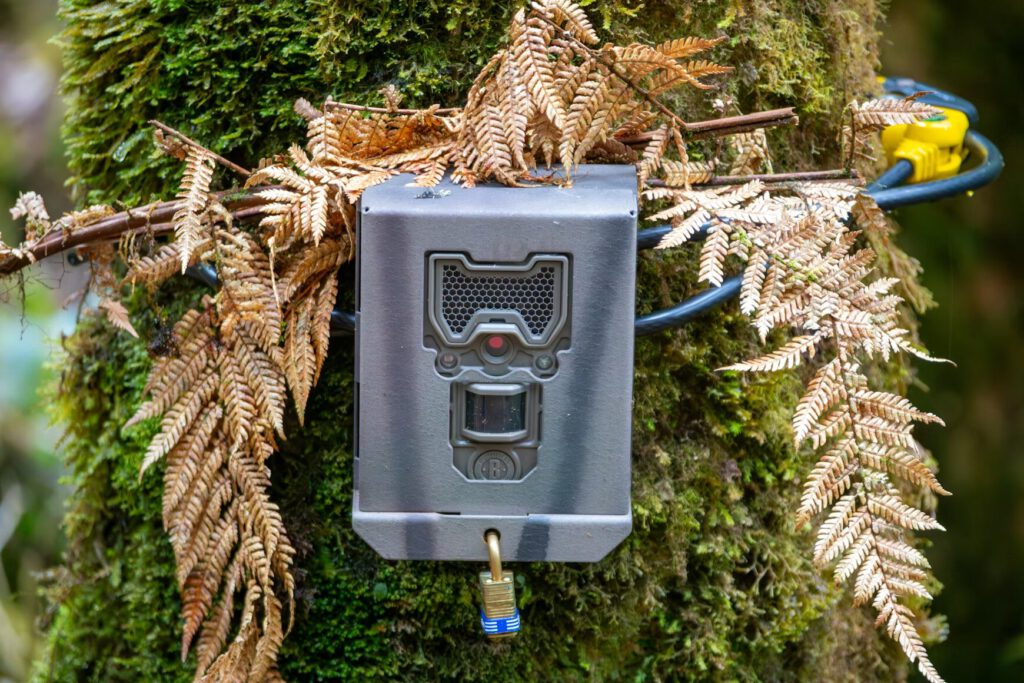
- Average battery life: 3 to 12 months
- Depends heavily on motion frequency, capture type, and temperature
Battery-powered security and trail cameras are designed for exactly the locations where running a power line is impractical: fence lines, driveways, wooded areas, and outbuildings. The battery isn’t an afterthought in these devices; it is the entire reason you can place them where they’re most useful. When it dies, the camera stops recording, and whatever happens in that window goes uncaptured.
The wide lifespan range reflects how dramatically usage conditions affect the drain. A camera covering a quiet driveway and one covering a busy backyard can behave like entirely different devices. Cold temperatures compound the problem further, making the seasons when you most want reliable coverage the same ones most likely to catch you with a dead camera. Energizer Max batteries handle cold conditions better than standard alkaline batteries, and right now Batteries Plus has them at $5 off a 24-pack through May 31st, with every pack supporting Arbor Day Foundation reforestation.
10. Garage Door Opener Remote

- Average battery life: 1 to 3 years
- No low-battery indicator on most models
Your garage door remote dying on a cold night, in the rain, or when you’re running late is the kind of failure that seems minor in the abstract and deeply miserable in practice. Your car is in the driveway, the door won’t open, and the solution is a battery that costs less than a dollar and takes thirty seconds to swap. The problem is never having that battery available when you need it.
The long lifespan is precisely what makes this one catch people off guard. You change the battery once, forget about it for two years, and then it dies with no warning on the worst possible evening. Checking and replacing it at the start of each season costs almost nothing and removes an entire category of avoidable frustration from your life.
11. Smoke Detector
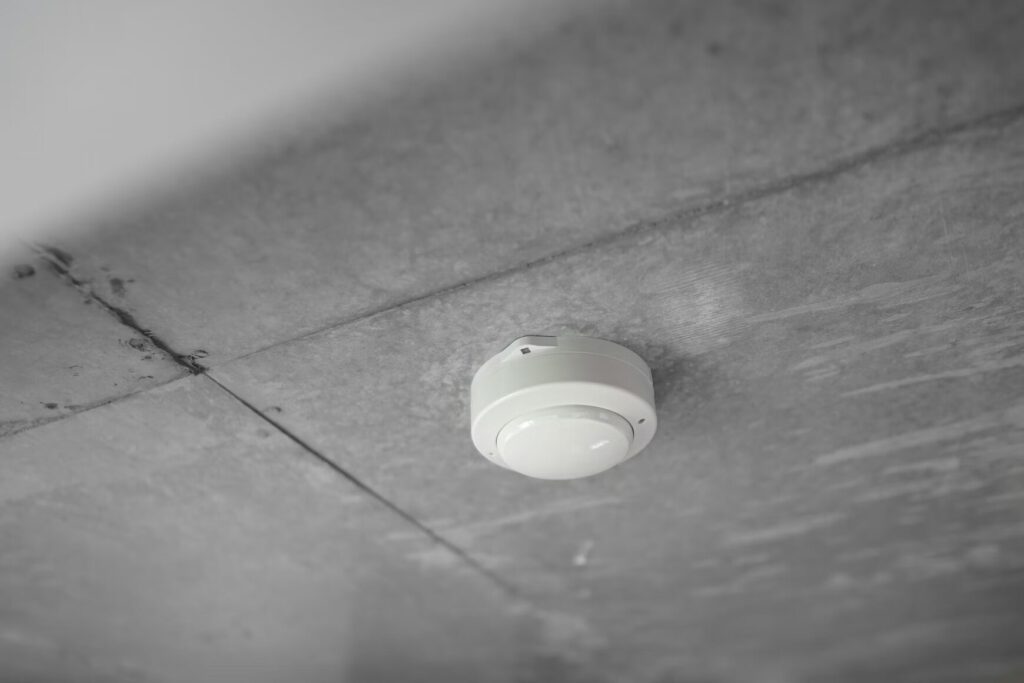
- Recommended replacement: annually
- Replace on a schedule, not when the alarm chirps
Your smoke detector will announce its battery failure at three in the morning with a chirp that repeats every sixty seconds until you deal with it. This is by design; the alarm is calibrated to be impossible to sleep through, because a smoke detector that fails silently is a smoke detector that kills. The inconvenient chirp is the system working as intended.
Unlike every other device on this list, waiting for a sign that it’s time to replace the battery is the wrong approach. The National Fire Protection Association recommends annual replacement on a fixed schedule, because a battery that’s still technically working isn’t necessarily one you can depend on at 2 am when it matters. Energizer Max batteries are a reliable choice here, and the current Batteries Plus promotion means stocking up for every detector in your home plants a tree for each pack you buy through May 31st.
12. Carbon Monoxide Detector
- Recommended replacement: annually
- Same schedule as smoke detectors, no exceptions
Your carbon monoxide detector is the most critically important battery-powered device in your home and the one that receives the least attention. Unlike smoke detectors, CO detectors don’t respond to something visible or dramatic. They sit in your hallways and bedrooms, monitoring for a colorless, odorless gas that causes symptoms easily mistaken for illness, and they do that job entirely on battery power in most homes.
Pairing this replacement with your smoke detector check turns two tasks you’ll otherwise forget into one annual ritual that takes fifteen minutes and covers the most consequential batteries in your house. If your current supply isn’t stocked for both, Batteries Plus has Energizer Max 24-packs at $5 off through May 31st, with a portion of every sale going toward reforestation through the Arbor Day Foundation. It is the most consequential battery swap on this list, and the easiest one to keep putting off.