You are walking through your neighborhood while strangers in Ray-Ban glasses secretly identify you, accessing your personal data without consent. That’s fiction, right? No. An internal Meta memo outlines this dystopian scenario as Mark Zuckerberg’s next surveillance project. The company plans to add facial recognition to its Ray-Ban and Oakley smart glasses, sparking fierce resistance from privacy advocates who refuse to let Big Tech normalize mass surveillance.
Current Glasses Already Enable Covert Recording
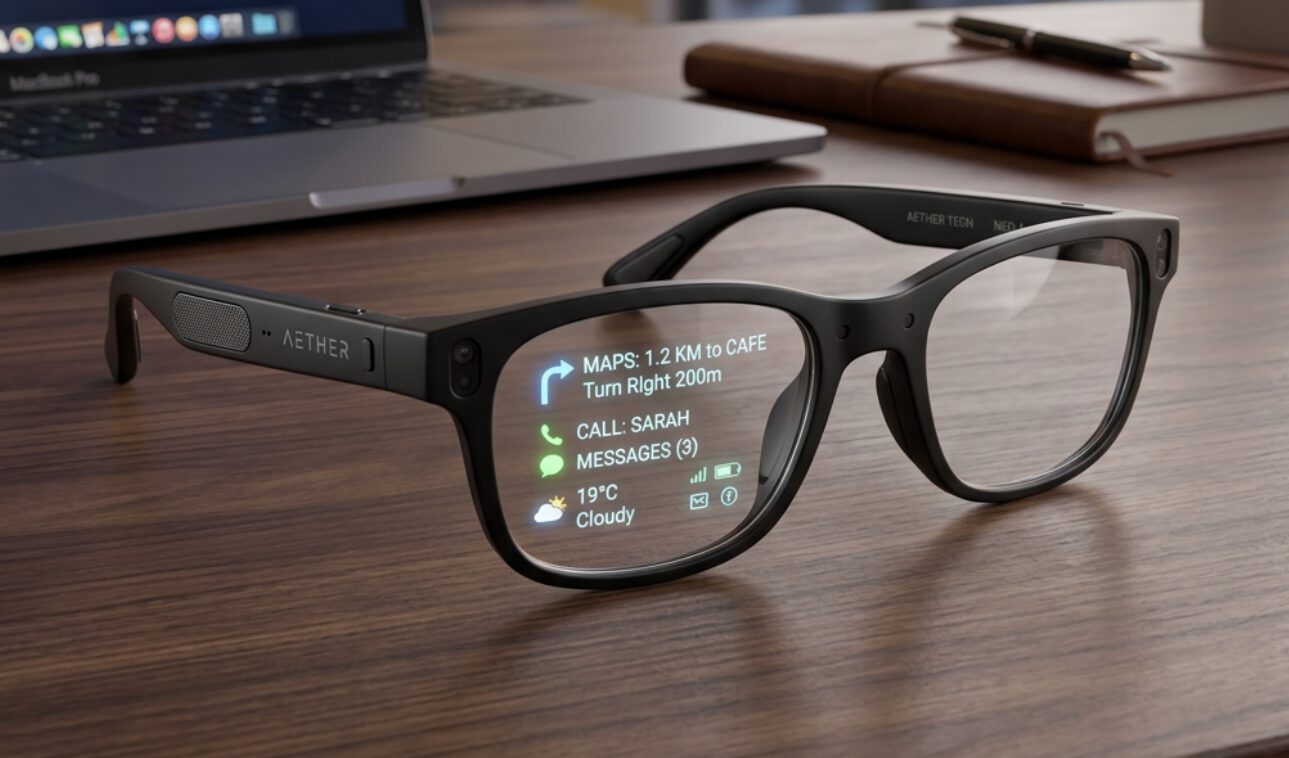
Meta’s Ray-Ban smart glasses pack cameras and speakers for secret audio-video capture.
Ray-Ban Meta glasses already let wearers record conversations and film people without obvious indicators. Adding facial recognition transforms these devices from privacy-concerning gadgets into portable surveillance systems. You could be identified and catalogued by any stranger wearing these glasses in coffee shops, on public transit, or at your kid’s school.
The technology would allow covert access to personal information tied to your face—turning every public space into a potential data collection zone.
Privacy Groups Launch Coordinated Resistance
ACLU leads coalition of 75 organizations demanding Meta abandon facial recognition plans.
The American Civil Liberties Union fired back with a coalition letter to Zuckerberg and EssilorLuxottica, calling facial recognition in eyewear an unacceptable threat to privacy and liberty. This isn’t hyperbole when you consider Meta’s track record—the company has paid billions in fines and settlements for privacy violations, including a $650 million settlement for its previous facial recognition system.
The advocates warn that facial recognition disproportionately threatens marginalized communities, who face higher surveillance risks and fewer legal protections against biometric abuse.
Legal Gaps Leave Users Vulnerable
No federal law bans non-consensual biometric collection in public spaces.
You have limited legal recourse against facial recognition glasses. While Illinois allows lawsuits under its Biometric Information Privacy Act, most states offer no protection. This patchwork of state regulations means your biometric privacy depends entirely on your zip code—a reality that advocates are fighting to change through targeted legislation.
Resistance Tactics You Can Deploy Now
Concrete actions range from political pressure to personal protection strategies.
- Contact Meta directly and urge your state attorney general to investigate
- Support biometric privacy legislation in your state
- Use airplane mode in sensitive locations or carry a Faraday bag to block device signals during private moments
- Form local tech review groups to monitor surveillance deployment in your community
The battle over facial recognition glasses isn’t predetermined. Organized opposition forced Facebook to abandon facial recognition before—it can happen again. Your privacy rights depend on making this fight too costly for Meta to ignore.