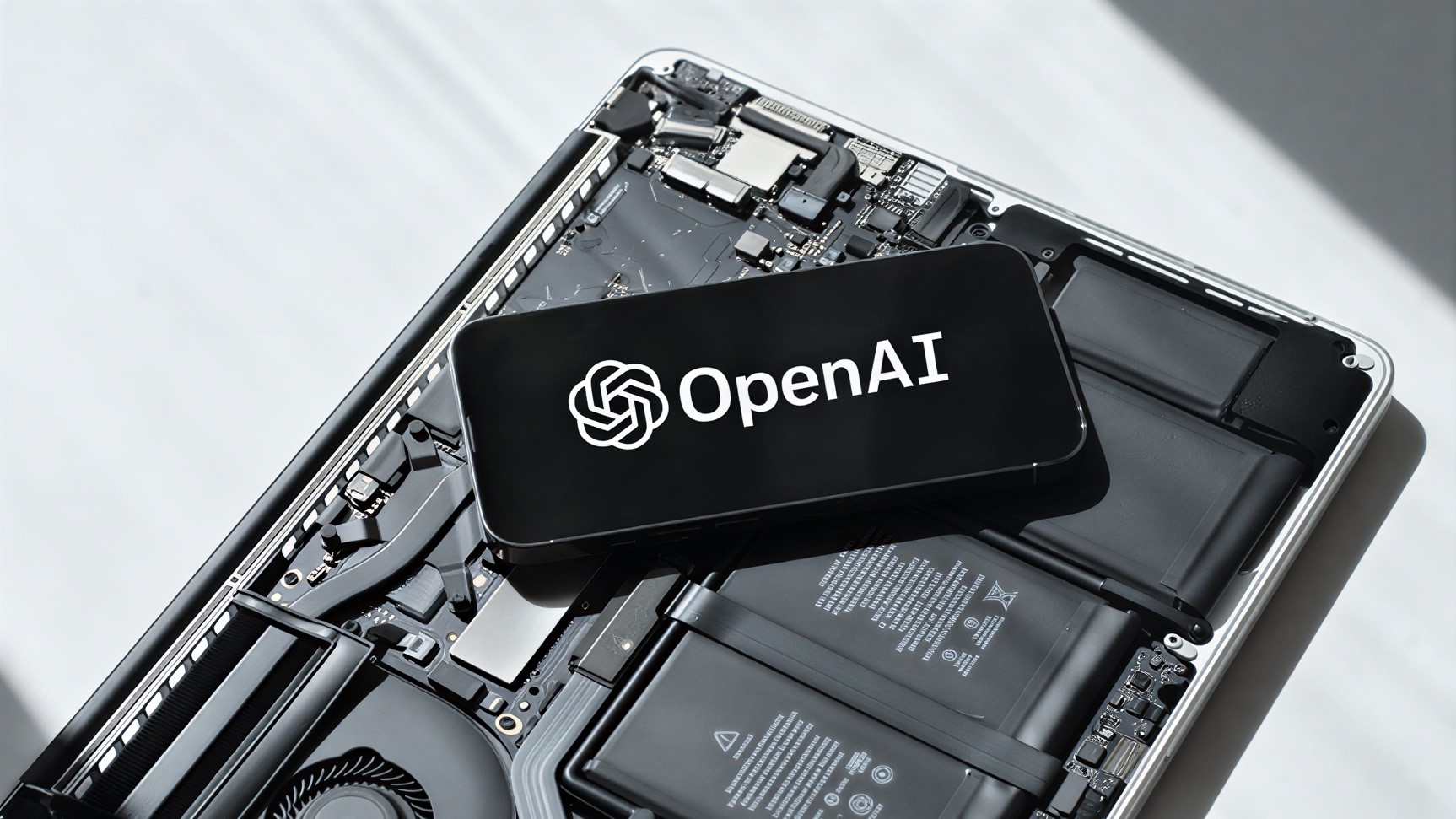
Your phone’s home screen might become obsolete by 2028. OpenAI reportedly plans to launch a smartphone that replaces traditional apps with AI agents—digital assistants that handle tasks without you opening anything. Instead of tapping through Uber, Spotify, and your banking app, you’d simply tell your phone what you need.
The Timeline Reality Check
Analyst predictions meet OpenAI’s confirmed hardware strategy, creating intriguing possibilities.
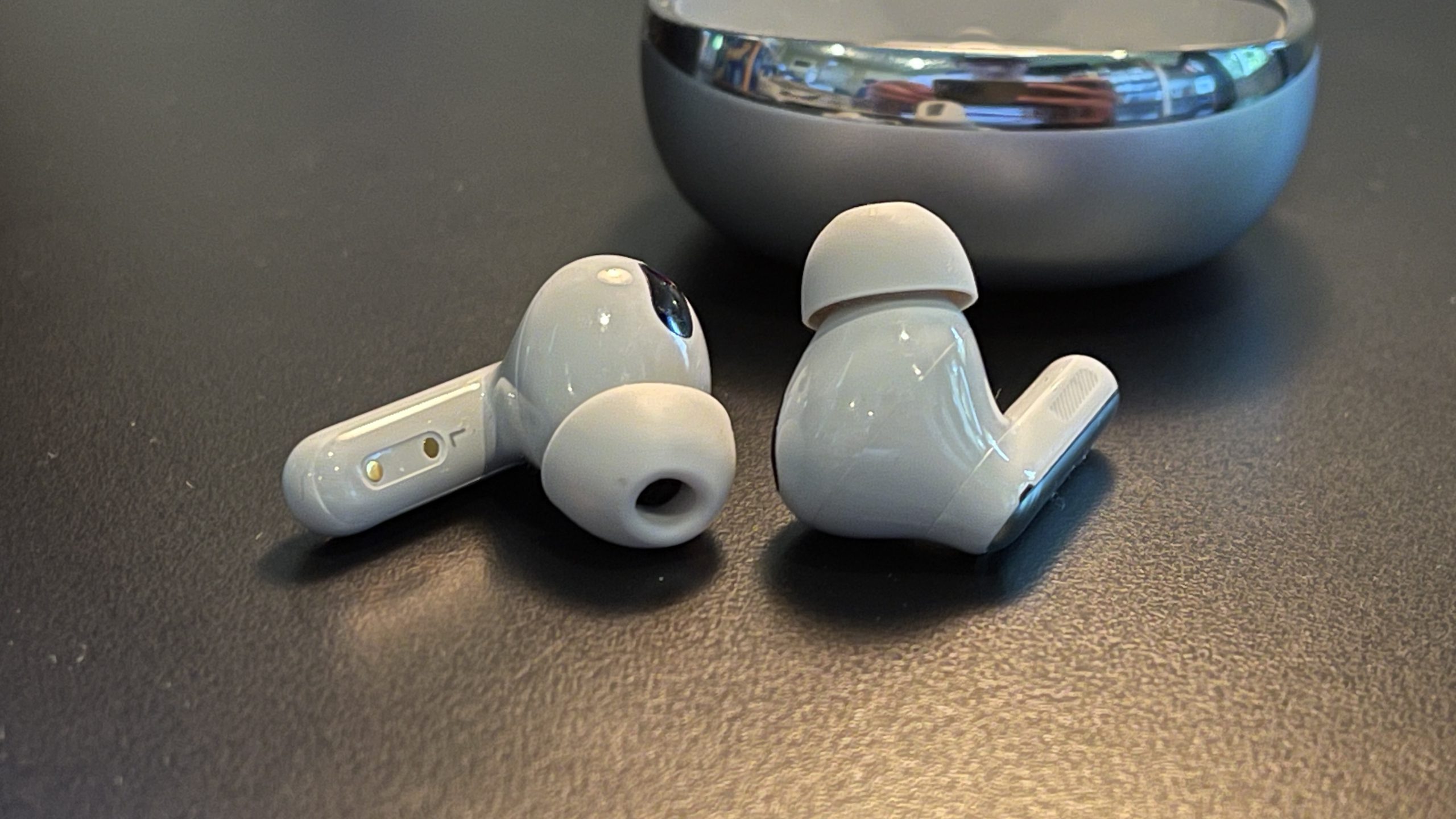
Analyst Ming-Chi Kuo claims OpenAI is collaborating with MediaTek and Qualcomm on smartphone processors, targeting mass production in 2028. This timeline aligns surprisingly well with OpenAI’s confirmed plan to announce their first hardware product by late 2026—likely AI-powered earbuds codenamed “Sweet Pea.”
The rumored phone would follow this initial hardware push, giving OpenAI time to refine its approach to consumer devices. Supply-chain sources suggest Foxconn is preparing manufacturing capacity for up to five OpenAI devices by Q4 2028, with the Sweetpea earbuds potentially launching as early as September.
How Agent-Based Phones Actually Work
Continuous context awareness replaces the app-switching dance you know too well.
Unlike current phones, where apps live in isolated bubbles, OpenAI’s rumored device would run AI agents with full system access. These agents would understand your location, schedule, and habits to handle tasks autonomously.
Booking dinner reservations, adjusting smart home settings, or splitting bills with friends would happen through natural conversation rather than app navigation. The phone would process simple requests locally while sending complex tasks to OpenAI’s cloud servers—exactly how Ming-Chi Kuo described the hybrid processing approach.
The App Obsolescence Movement Gains Steam
Industry leaders predict your current app ecosystem won’t survive the AI revolution.
Nothing has stated that smartphones will shift from apps to AI, reflecting growing frustration with app store restrictions and the friction of switching between dozens of specialized programs. Your phone currently forces you to think like a computer, organizing tasks by application. Agent-based interfaces let you think like a human instead.
This isn’t just OpenAI’s vision—it reflects a broader industry trend toward contextually aware AI that handles tasks without explicit instructions.
What This Means for Your Next Phone
The 2028 timeline suggests your current upgrade cycle remains safe.
Don’t postpone your next phone purchase waiting for OpenAI’s rumored device. The 2028 timeline faces execution challenges, from manufacturing partnerships to achieving the seamless experience promised. More importantly, the agent-first experience requires widespread API adoption that may take years to materialize.
Your current flagship will likely serve you well through this transition period, especially as existing phones gradually incorporate more AI features. The real question isn’t whether OpenAI will build a phone, but whether they can deliver the seamless agent experience that makes apps feel obsolete.