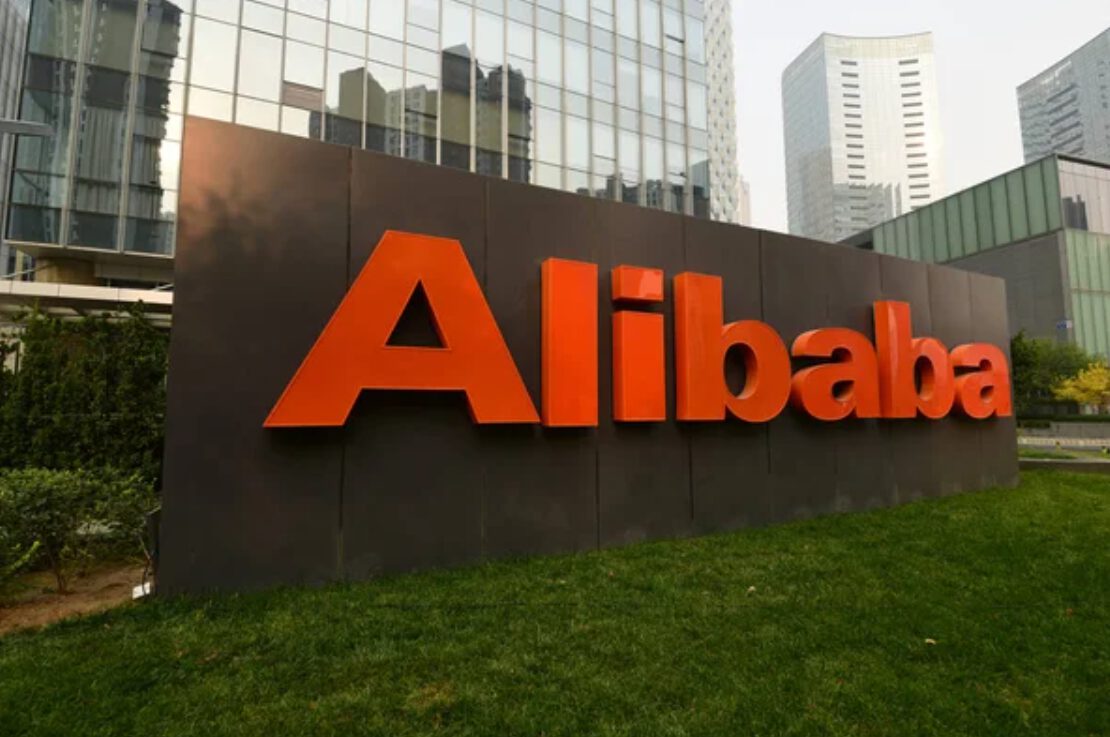
Your private health data travels further than you think. On April 20, 2025, confidential medical records from 500,000 UK Biobank volunteers appeared for sale on Alibaba’s Chinese marketplace—complete with genome sequences, brain scans, and blood samples. While the listings vanished quickly without any sales, the breach exposes how easily your most sensitive information can slip through research networks you probably trusted.
When Trust Breaks Down
Legitimate researchers violated contracts to leak half a million health profiles.
This wasn’t some shadowy hacker operation. Three accredited research institutions with legitimate access decided to monetize what they’d downloaded, according to Technology Minister Ian Murray. UK Biobank CEO Prof Rory Collins confirmed this was “not a hack but a contract breach by legitimate users.”
The data was technically “de-identified”— meaning there were no names or exact addresses—but still contained your genetic blueprint and diagnostic history. If you’ve ever wondered where your health data goes after you volunteer for research, this is your unsettling answer.
Damage Control Goes Global
UK authorities worked with China and Alibaba to scrub the listings within hours.
The UK government immediately coordinated with Chinese authorities and Alibaba for rapid removal. No purchases were completed, but the damage to trust was instant. UK Biobank pulled its entire platform offline for three weeks, installing what they call an “airlock” system to prevent future computer problems.
Your health information now gets processed through additional security layers—a response that should have existed before half a million people’s genetic data hit a shopping platform.
China’s Research Appetite Raises Flags
Nearly 20% of data access requests come from Chinese institutions, worrying security experts.
Here’s the uncomfortable reality: almost one-fifth of approved access applications to UK Biobank originate from China, despite MI5 warnings about re-identification risks. “The protection of patient data is of utmost importance,” notes IET cyber expert Rimesh Patel, calling for enhanced data sharing treaties.
This incident follows previous exposures and the recent controversial addition of GP records to the database—all while security agencies warn about cross-referencing techniques that could unmask “anonymous” profiles. With new AI age laws and concerns about digital IDs, these privacy violations take on even greater significance.
Your willingness to contribute health data for medical breakthroughs now competes with growing distrust in institutional safeguards. Like deleting a social media account only to discover your data still circulates, volunteering for health research carries risks that extend far beyond the laboratory—and sometimes all the way to Chinese e-commerce platforms.