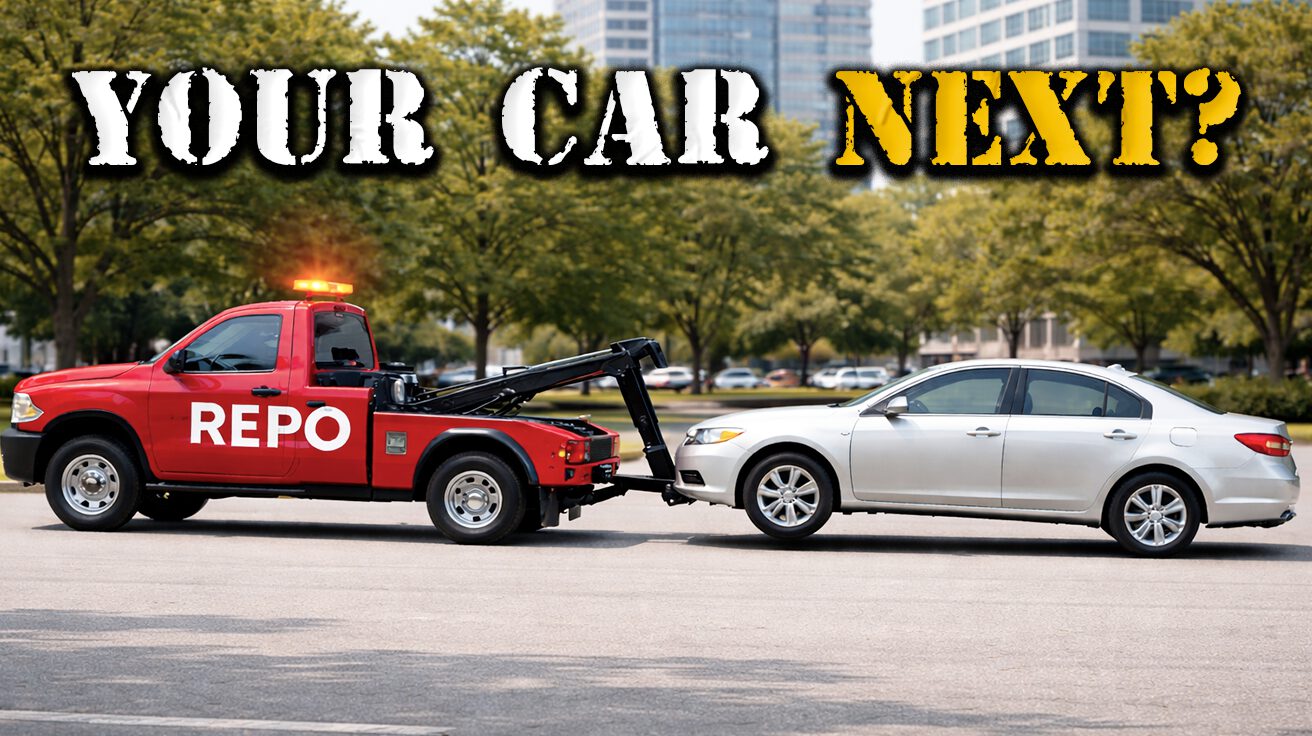
As of late 2025, over 2.2 million Americans faced car repossessions, and projections estimate 3 million by year-end. The U.S. automotive market is in crisis, and it hits your stomach as much as your wallet. High vehicle inventories and unaffordable loan payments create a domino effect, impacting everything from your summer road trip plans to the availability of your favorite food truck.
13. New Vehicle Inventory
Dealerships are drowning in unsold cars, creating unexpected opportunities for savvy buyers.
New vehicle inventory nearly hit 3 million units, creating an 89-day supply. With that glut of cars sitting on lots, dealerships are understandably worried. One result: reduced trade-in values. Carmax offers are down 11% since April, diminishing your bargaining power.
The oversupply leads to record incentives, like those seen in October 2025. If you’re dreaming of trading up for a new ride to that farm-to-table restaurant, now might be the time. As sales continue to slide, dealerships will likely sweeten deals to clear inventory.
12. Used Vehicle Inventory
The used car drought has turned into a flood, pressuring dealers and benefiting patient buyers.
Used vehicle inventories have ballooned to 2.4 million units, a 23% year-over-year increase. With a 51-day supply, finding the right car requires patience. Rather than settling for the first overpriced option, you now have time to shop around and negotiate.
According to Cox Automotive, this shift pressures dealers, resulting in lower trade-in values and more incentives—a rare win for budget-conscious buyers seeking reliable wheels for family road trips.
11. New Car Sales Drop

Falling sales numbers reveal how pricing has pushed middle-class buyers to the sidelines.
New car sales have taken an 8% hit year-over-year. High tariffs and average transaction prices exceeding $50,000 are sidelining middle-class buyers who once drove culinary adventures across the Southwest.
With 2025 sales totaling 16.3 million units and forecasts predicting a further slide to 15.8-16 million in 2026, the industry faces a stark reality. Can automakers pivot to more affordable models, or will road trips become a luxury only some can afford?
10. Tariffs Impact on Car Prices

Trade policies are adding a hidden tax that makes every vehicle purchase more expensive.
Car prices could jump 2-4% because of tariffs. For middle-class buyers already facing average transaction prices over $50,000, this increase squeezes affordability further. Tariffs function like a sales tax, adding to the final cost when families are already stretching budgets for summer road trips to taste regional BBQ.
As new car sales decline and inventories swell, these tariffs place more pressure on consumers watching their wallets.
9. Auto Loan Debt

Vehicle financing has become a trillion-dollar burden weighing down American households.
Auto loan debt has reached $1.65 trillion, now exceeding even student loans. This debt represents the collective weight of monthly payments crushing household budgets. High vehicle prices averaging over $50,000, coupled with interest rates as high as 21.5% for subprime borrowers, create a perfect storm.
When your car is essential for reaching those out-of-the-way local diners or commuting to work, getting clear of debt becomes nearly impossible.
8. Average Auto Loan Payments

Monthly car payments have reached levels that strain even middle-class budgets.
Today, the average monthly payment is $750 for a new car and $525 for a used one. For those needing wheels but lacking cash upfront, financing becomes a necessity. You get transportation immediately, but according to recent data, 25% of trade-ins carry negative equity averaging $7,800.
This means many buyers start underwater from day one, trapped in a cycle where they owe more than their vehicle is worth.
7. Auto Loan Terms
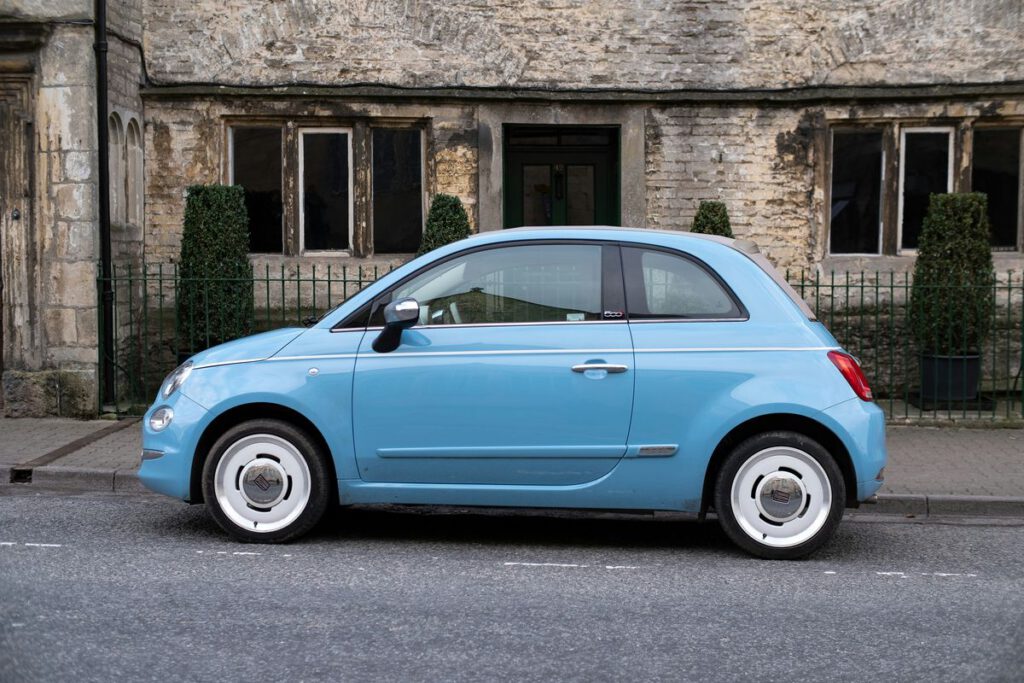
Longer payment schedules might seem manageable, but they create deeper debt traps.
The average loan term is now 68 months. Spreading payments over nearly six years might seem manageable at first, but interest adds up, and life can throw curveballs. The longer the loan, the more you pay in total.
With auto loan debt hitting $1.65 trillion and many Americans struggling to make ends meet, those extra months aren’t worth the long-term financial strain.
6. Auto Loan Interest Rates

Credit scores determine whether you pay reasonable rates or face financial quicksand.
On new cars, rates start around 7% for prime borrowers. If you’re buying used with subprime credit, you might face rates as high as 21.5%. Nearly a quarter of your car payment becomes just interest.
Before visiting a dealer, get pre-approved to see what rates you actually qualify for. Knowing your credit tier puts you in the driver’s seat for negotiations.
5. Negative Equity on Trade-ins

A quarter of car owners owe more than their vehicles are worth, creating financial holes averaging $7,800.
25% of trade-ins carry negative equity, meaning you owe more than the car’s worth. This creates a financial hole averaging $7,800. You might dream of upgrading for summer road trips, but first you must settle debt on your current vehicle.
Many face rolling that debt into a new loan, increasing monthly payments and overall financial burden. Smart planning and realistic expectations can save you from this scenario.
4. Surge in Repossessions

Record repossession numbers signal that the automotive debt crisis has reached a breaking point.
Over 2.2 million vehicles were seized by November 2025, with projections hitting 3 million by year’s end. Repossession rates climbed from 1.5 million in 2023 to 1.75 million in 2024, signaling mounting economic pressures.
This surge transforms cars from symbols of freedom into looming debt traps, making summer trips to roadside favorites a luxury many can no longer afford.
3. Housing Foreclosures

Rising home foreclosures compound the transportation crisis, creating a dual threat to American mobility.
Housing foreclosures have risen 20% for 8 months, quietly shadowing the auto crisis. These interwoven financial strains challenge the suburban dream of a car in every driveway and a kitchen ready for gourmet meals.
When economic strain extends from losing transportation to losing homes, road trips for culinary tours become an impossible dream.
2. Americans Living Paycheck-to-Paycheck
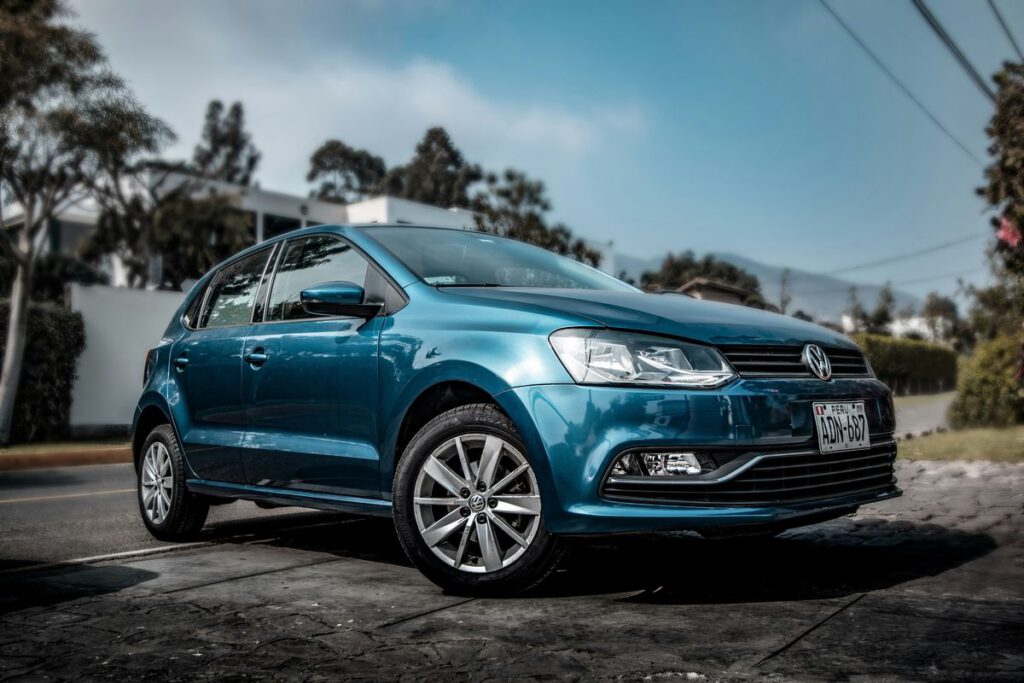
Four out of five Americans live on the financial edge, making car payments a constant source of anxiety.
A staggering 80% of Americans live paycheck-to-paycheck, skating on financial fumes two days before payday. This isn’t just about low-income families; middle-class professionals also find themselves in this precarious state.
This economic strain casts a long shadow over everyday decisions, impacting everything from dining out to pursuing culinary dreams.
1. Carmax Trade-in Offers

Declining trade-in values reflect the broader inventory glut crushing used car prices.
Carmax offers are down 11% since April, reflecting declining trade-in values across the market. New car prices remain high while used values drop, and dealers panic over inventory by lowballing offers.
For families planning summer road trips, this means delaying upgrades or settling for less than expected when that trade-in offer barely covers existing loans.