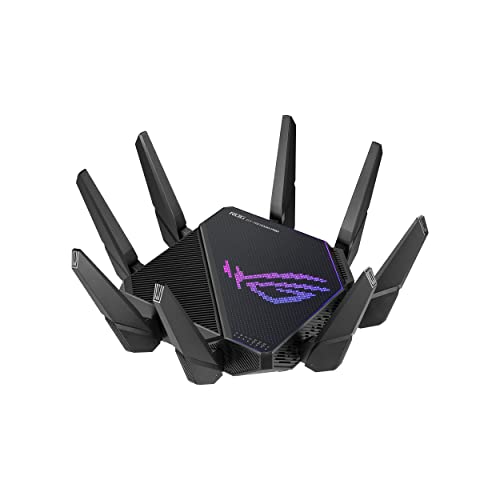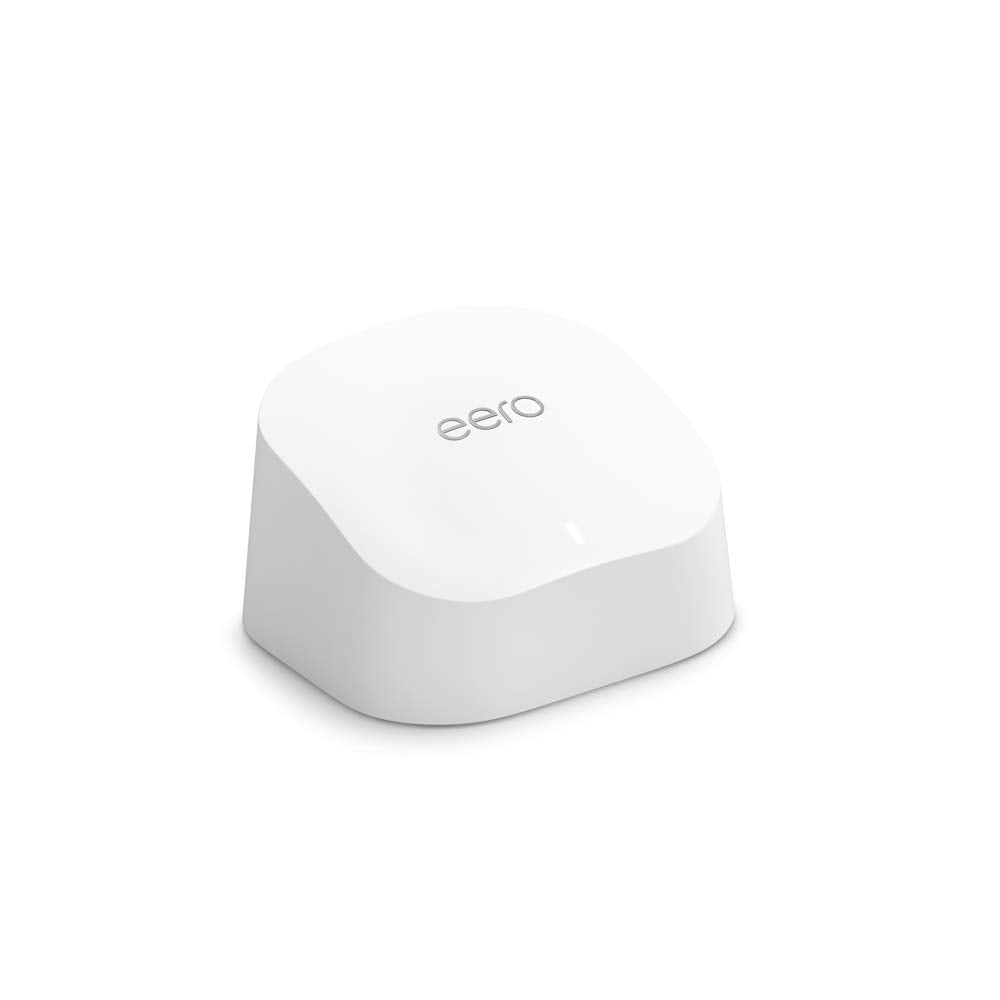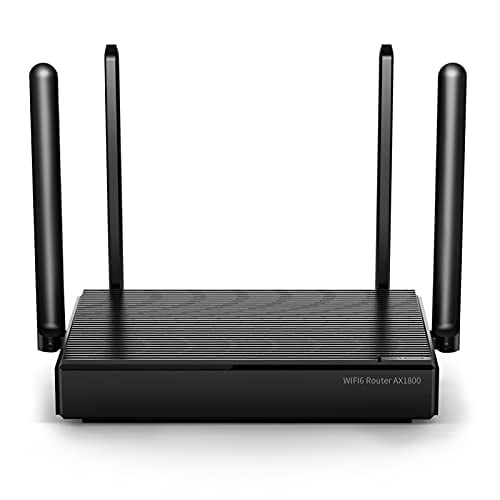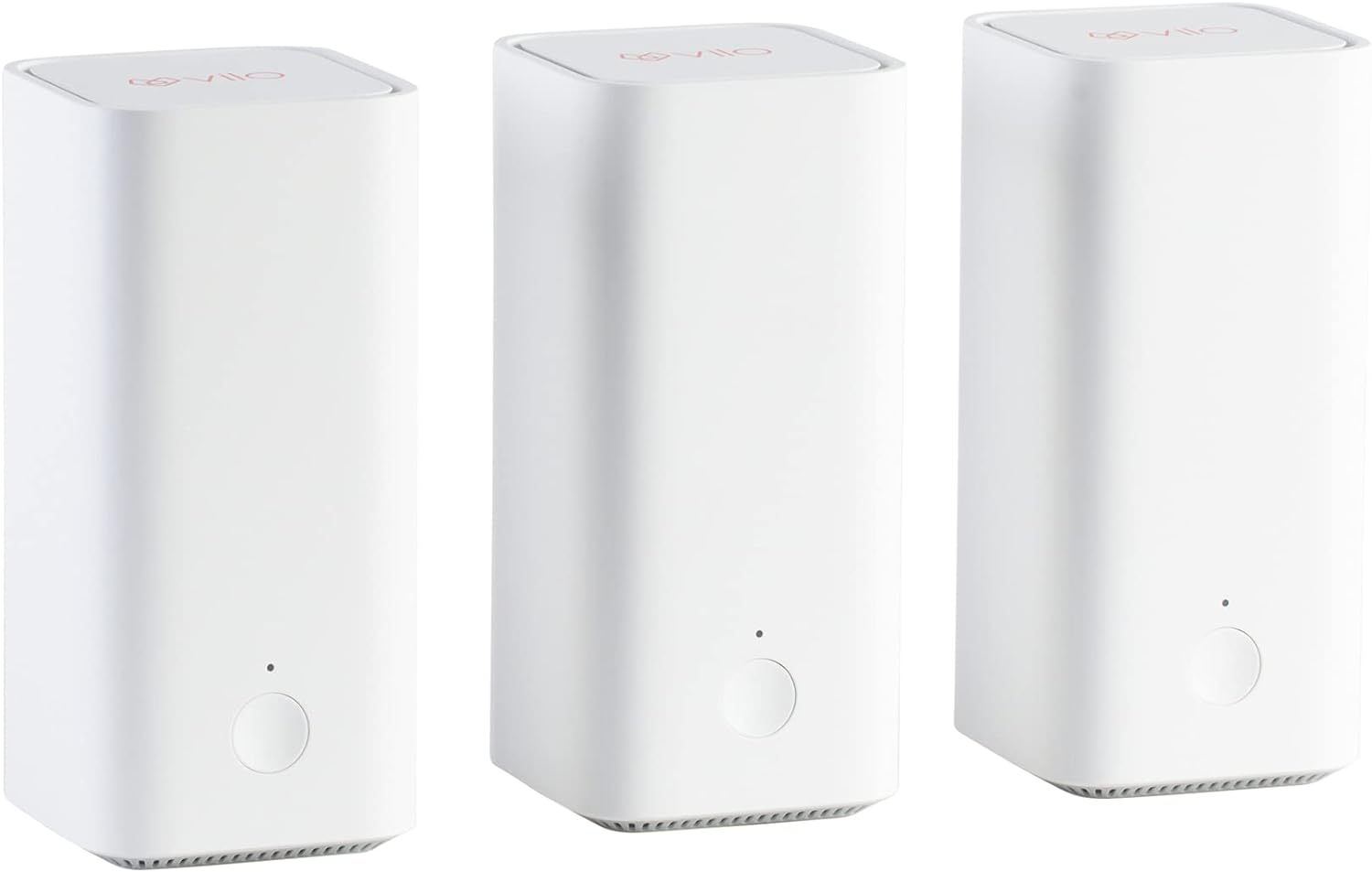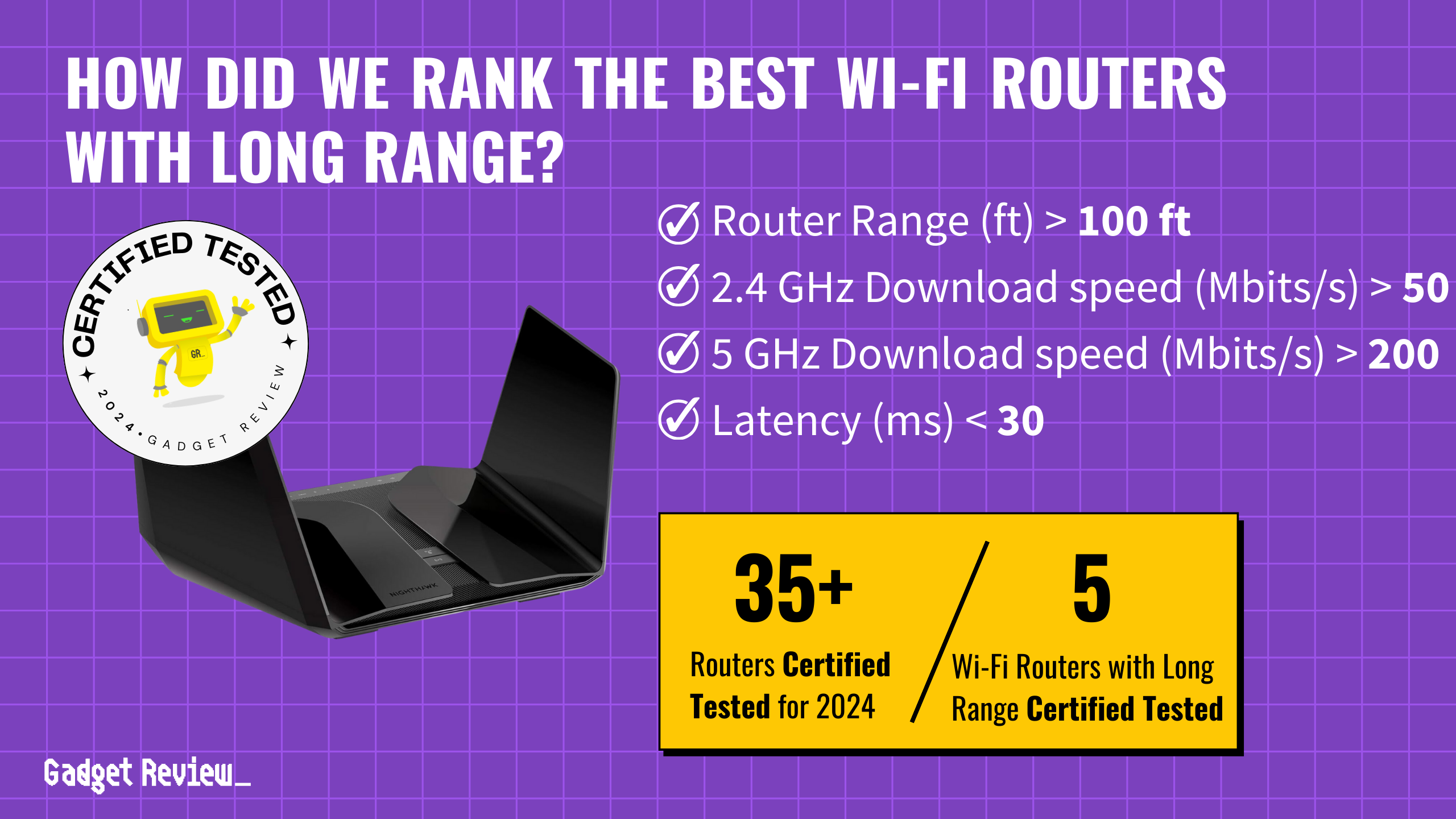

When you’re looking for the best Wi-Fi routers for long-range, key features such as range, speed, and reliability become crucial. The ideal router should support a 5 GHz download speed surpassing 200 Mbps and maintain low latency under 30ms. Additionally, ensuring a range greater than 100 feet is vital for covering large homes or office spaces without signal drops.
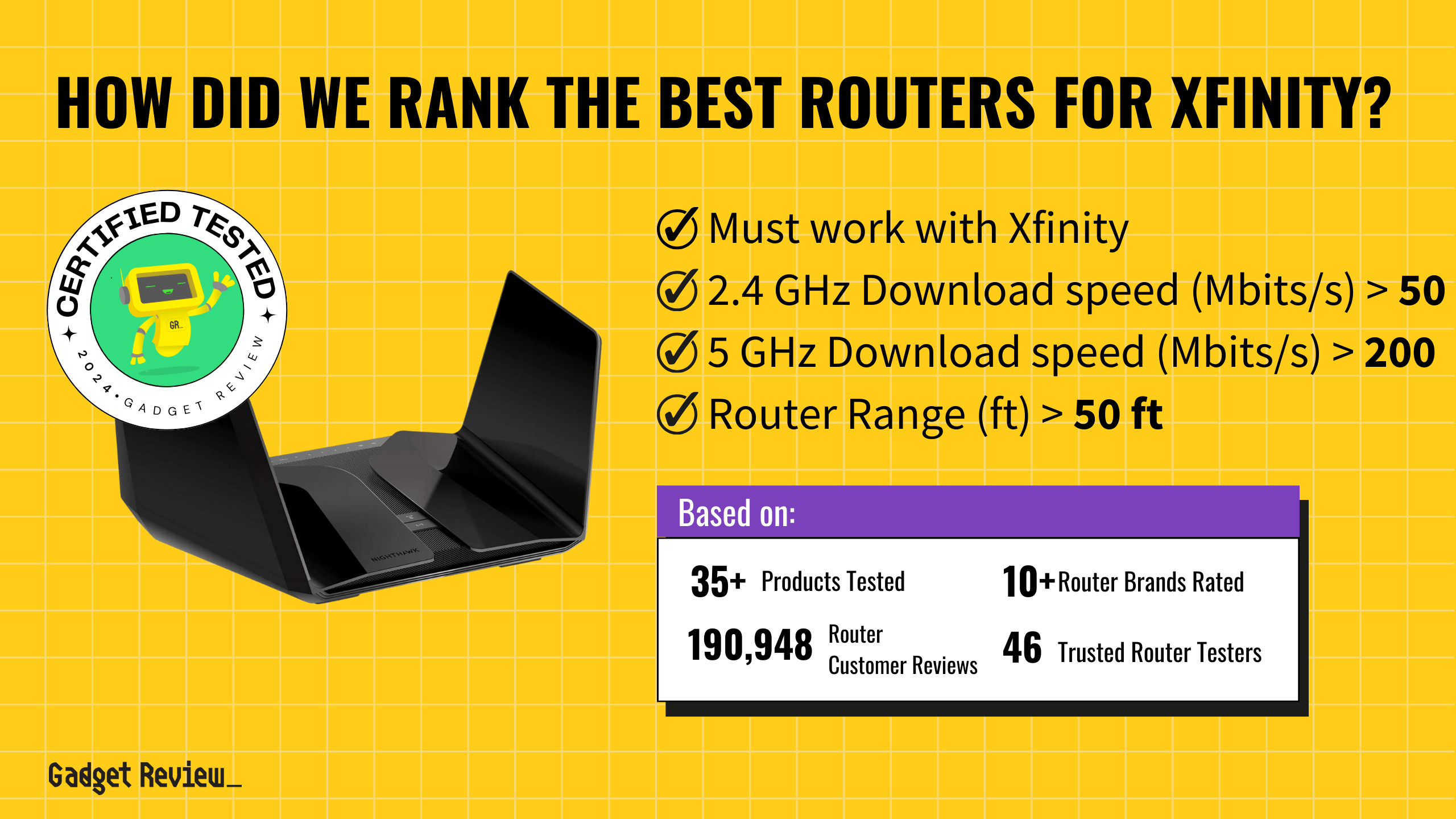
Among these options, finding a top router that meets these criteria can significantly enhance your internet experience. We analyzed 37 routers, certifying 5 as tested and worthy of a spot on our buying guide. This rigorous selection process involved evaluating 193,411 reviews and filtering out fake and low-quality ones with our scientifically proven True Score methodology. Our verified products have proven their capabilities in real-world scenarios, ensuring they deliver the reliable long-range performance you need.
How Did We Rank the Best Wi-Fi Routers for Long Range?
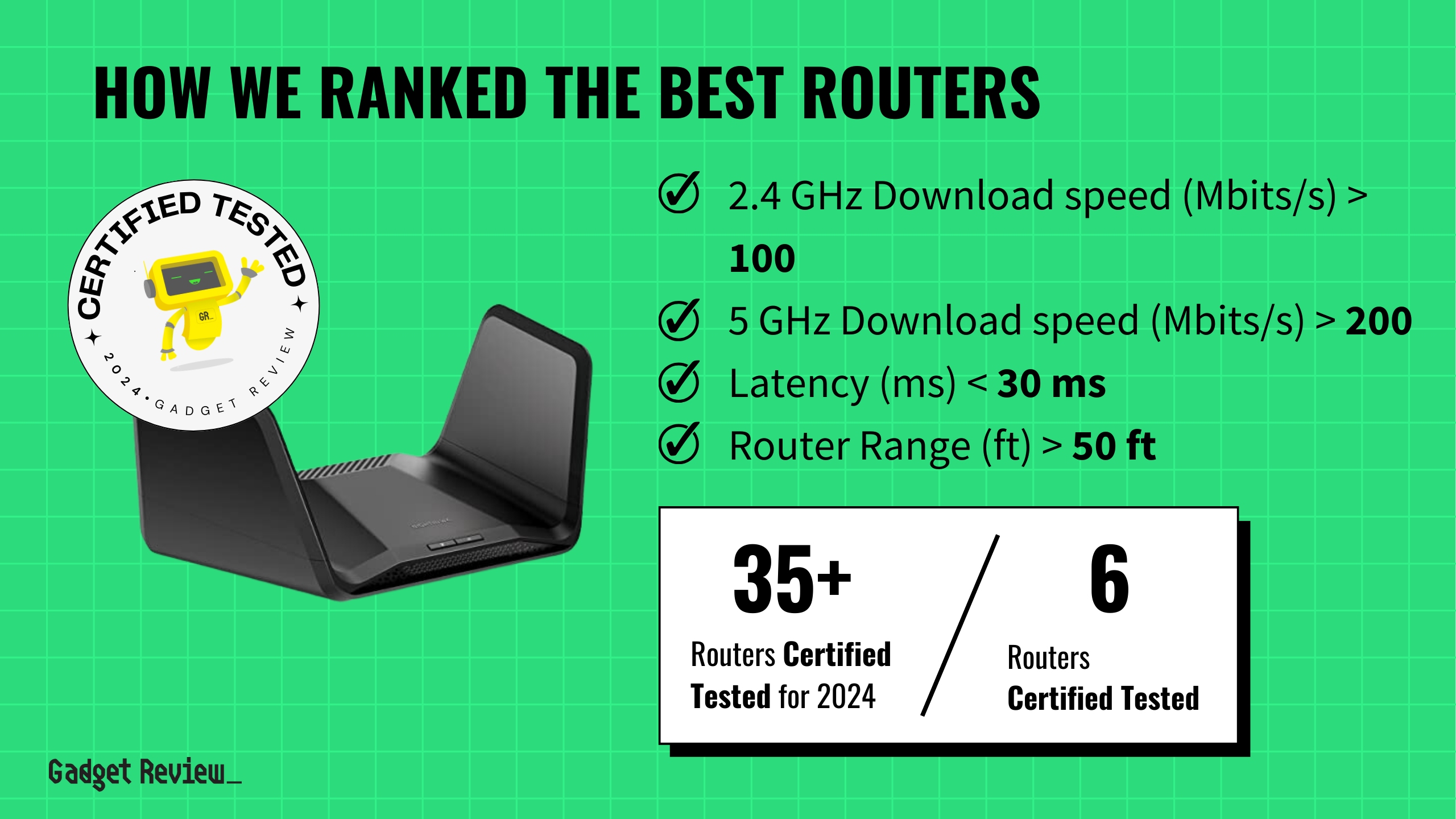
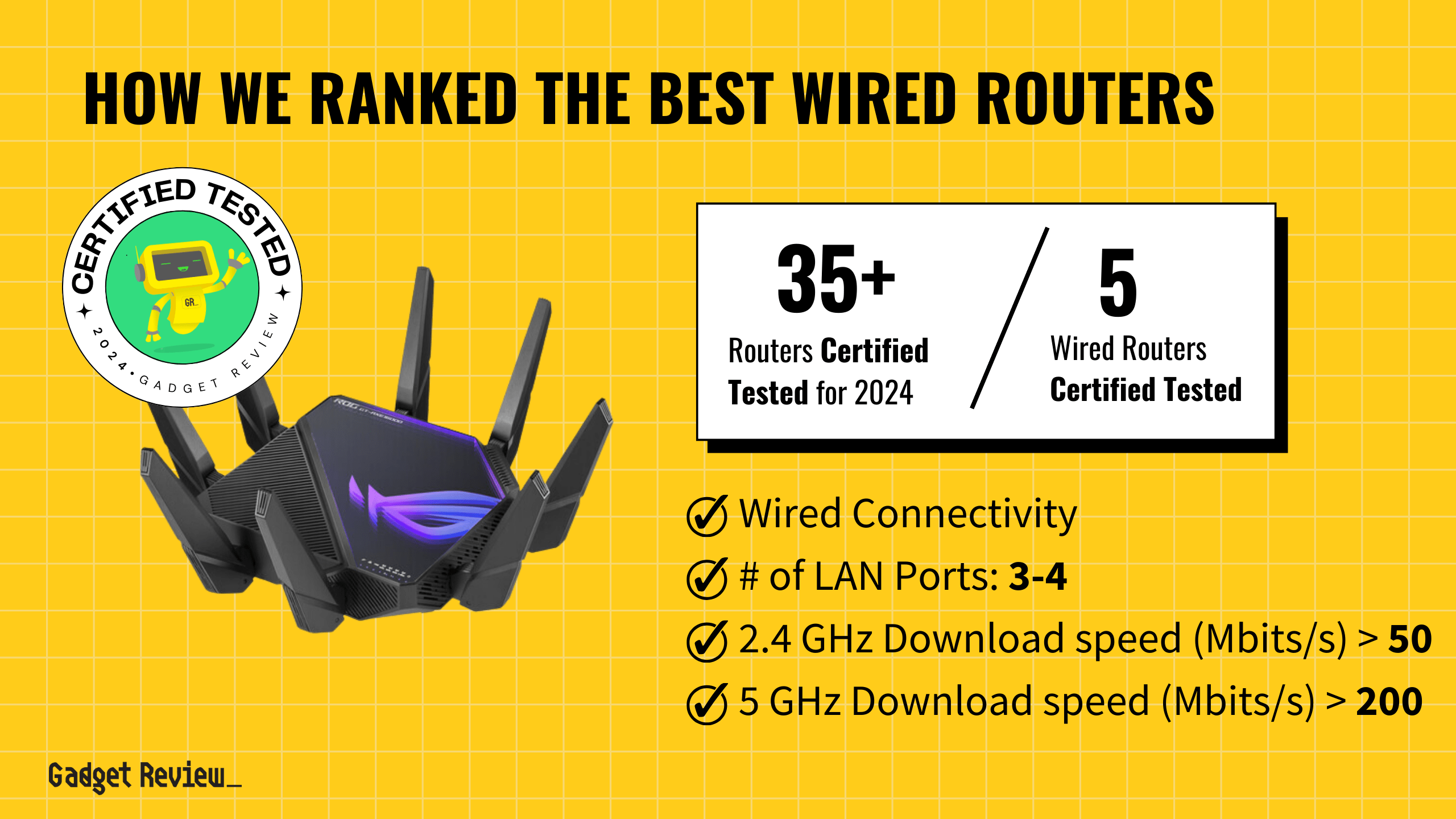
Our approach to finding the best Wi-Fi routers for long-range connectivity involved a detailed review of over 200 sites, analyzing expert and customer reviews. We examined various testing methodologies to understand what truly matters. Through this process, we identified the 2 required test results and 2 nice-to-have test results, ensuring our guide highlights the top performers for long-range connectivity.
Our commitment to unbiased reviews is powered by our ‘True Score’ system, targeting low quality and fake reviews. When you shop through our links, you’re backing our mission. Dive deeper to see how.
Test Criteria
- Router Range: A range of at least 100 feet before the signal from the router begins to become noticeably weaker.
- 5 GHz Download Speed: A download speed on the 5 GHz band of at least 200 Mbits.
? “Nice To Haves”
- Latency: A latency of 30 ms or less.
- 2.4 GHz Download Speed: A download speed on the 2.4 GHz band of at least 50 Mbits.
Latest Updates
- 06/17/2024: Republished the list to include the best Wi-Fi routers for long range based on our True Score system.
Top Wi-Fi Routers for Long Range For 2026
Prices accurate at the time of publishing

Best Overall

Runner Up

Best Value

Best Budget

Best Mid-Range

Premium Pick
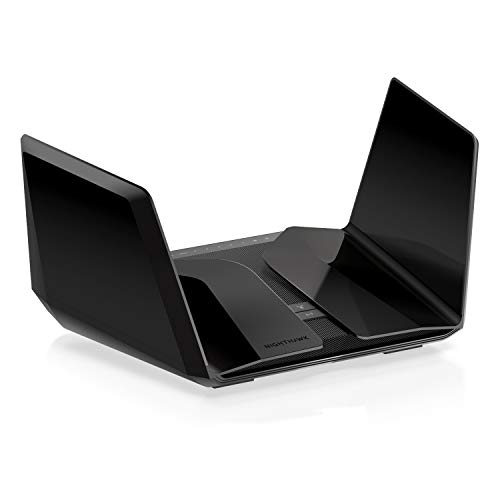
Netgear Nighthawk RAXE500
Best For Long Range
The Netgear Nighthawk RAXE500 offers unparalleled long-range connectivity with exceptional speeds, making it perfect for large homes or spaces.
True Score
84847Experts
903kCustomers
Absolutely Fresh

 SAVE $329$599.99$270.99
Read More

Snapshot
Reasons to Buy
- Incredibly fast Wi-Fi speeds
- Reliable range
- Simple setup
Reasons to Avoid
- Limited 6GHz range
- Subscription-based parental controls
Specifications

# of LAN Ports 4 
Frequency Bands 2.4 GHz, 5.0 GHz, 6.0 GHz 
MU-MIMO Support Yes 
Wireless Standard AC, AX, N 
Mesh System No 
Quality of Service Prioritization Yes 
# of Phone Ports n/a 
# of WAN Ports 1 
App Compatible Yes 
Available Storage 512MB 
Band Technology Tri 
Data Encryption Type WPA3 
Energy Star Certified No 
Integrated Modem No 
LAN Port Speed 4 Gb Ethernet 
Number of Antennas 8 
Parental Controls n/a 
Processor Cores Quad 
Processor Speed 1.8GHz 
WiFi Range 3500 sq.ft 
WiFi Speed 10.8 Gb 
Wired Speed 1000 Mb All Specs
Test Results
2.4 GHz Download speed (Mbits/s) 417 5 GHz Download speed (Mbits/s) 844 6 Ghz Download speed (Mbits/s) 1,004 Latency (ms) 19 Router Range (ft) 105 2.4 GHz Upload speed (Mbits/s) 144 5 GHz Upload speed (Mbits/s) 317 6 Ghz Upload speed (Mbits/s) 557 All Tests
All Retailers
 $270.99$600Save $329
 $449.99$600Save $150
 $479.99
 $599.99
Our Verdict
The Netgear Nighthawk RAXE500 is an outstanding premium long-range router, ideal for gaming and streaming, with its extensive coverage and high speeds. It impressively maintains a 105-foot range without speed loss, ensuring consistent and reliable wireless connections across large areas. The Nighthawk RAXE500’s 2.4 GHz band supports older devices with download speeds of 416.64 Mbits/s and upload speeds of 143.8 Mbits/s, providing fast and efficient connectivity even for devices that don’t support the newer 5 GHz or 6 GHz bands. This capability is especially valuable in large homes or spaces where a strong, extended signal is essential.
This router offers exceptional throughput for demanding online activities. With a 5 GHz download speed of 844.4 Mbits/s, it excels in high-definition video streaming and large file downloads. Meanwhile, the 6 GHz band delivers even greater speeds at 1004.1 Mbits/s, perfect for ultra-high-definition streaming, advanced gaming, and virtual reality. These capabilities allow for the smooth operation of multiple devices simultaneously, making this router ideal for tech-savvy households with extensive bandwidth requirements.
In addition to its broad coverage, the router’s advanced features, such as Quality of Service prioritization and MU-MIMO support, elevate its long-range capabilities. These technologies efficiently manage data traffic, maintaining performance and speed even when multiple devices are connected at varying distances. Combined with robust encryption standards and a low latency of 19ms, the Nighthawk RAXE500 ensures a seamless and secure digital experience for all users, regardless of their physical location within the coverage area.
The Netgear Nighthawk RAXE500 is a versatile device designed to meet your needs. It provides extensive coverage and maintains high performance over long distances, making it an ideal choice for users seeking a reliable and speedy internet connection across large spaces.
Read Less
Best Overall
Runner Up
Best Value
Best Budget
Best Mid-Range
Premium Pick
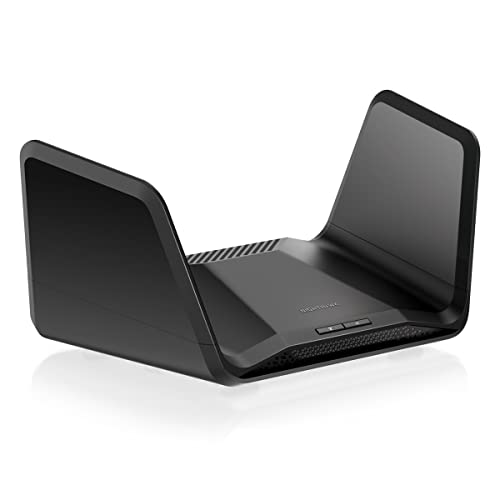
Netgear Nighthawk RAXE300
Best For Vpn
For high-speed internet across vast areas, the Netgear Nighthawk RAXE300 excels with impressive speeds and expansive coverage, ideal for streaming and gaming.
True Score
83829Experts
903kCustomers
Absolutely Fresh
 SAVE $250$399.99$149.97
Read More
Snapshot
Reasons to Buy
- Superb Wi-Fi speeds
- Wide range
- Simple setup
Reasons to Avoid
- Limited range (6GHz)
- No USB A port
- Subscription-based security solutions
Specifications
# of LAN Ports 6 Frequency Bands 2.4 GHz, 5.0 GHz, 6.0 GHz MU-MIMO Support Yes Wireless Standard AC, AX, N Mesh System No Quality of Service Prioritization No # of Phone Ports 1 # of WAN Ports 1 App Compatible Yes Available Storage 256MB Band Technology Tri Data Encryption Type WPA-PSK, WPA2-PSK, WPA3 Energy Star Certified No Integrated Modem No LAN Port Speed 4 Gb Ethernet Number of Antennas 6 Parental Controls Yes Processor Cores Quad Processor Speed 1.7GHz WiFi Range 2500 sq.ft WiFi Speed 7.8 Gb Wired Speed 1000 Mb All Specs
Test Results
2.4 GHz Download speed (Mbits/s) 222 5 GHz Download speed (Mbits/s) 852 6 Ghz Download speed (Mbits/s) 757 Latency (ms) 5 Router Range (ft) 170 2.4 GHz Upload speed (Mbits/s) 0 5 GHz Upload speed (Mbits/s) 175 6 Ghz Upload speed (Mbits/s) 247 All Tests
All Retailers
- $149.97$400Save $250
- $164.99$300Save $135
- $188.00$399Save $211
- $299.99
Our Verdict
If you don’t want to pay a premium for a router that excels at delivering high-speed internet across vast distances, the Netgear Nighthawk RAXE300 is an excellent mid-range option, particularly for its impressive 5 GHz download speed of 851.6 Mbits/s. This makes it ideal for sprawling homes or expansive office spaces. Such robust performance ensures a seamless experience in streaming, gaming, and other data-heavy activities, minimizing concerns of signal degradation or interruptions even at extended ranges.
Additionally, the router impresses with its 2.4 and 6 GHz band speeds, hitting 221.65 and 756.8 Mbits/s, respectively, making it behind only the Netgear Nighthawk RAXE500 for those demanding higher speeds and numerous connections. The RAXE300’s 170-foot range cements its status as a leading choice for long-range connectivity, ensuring users enjoy consistent, high-performance internet across large areas. This is crucial in bigger spaces where signal loss can disrupt productivity and entertainment. Moreover, with an incredibly low latency of just 5 ms, gamers and remote workers will appreciate the reduced input lag, ensuring responsive real-time interactions.
Yet, the Netgear Nighthawk RAXE300’s advantages extend beyond speed and range. It delivers a smooth online experience with features like Quality of Service (QoS) prioritization, MU-MIMO technology, and app compatibility, ensuring efficient connection for numerous devices. This versatility is perfect for long-range coverage and varied needs like HD streaming, online gaming, and small business connectivity.
The Netgear Nighthawk RAXE300’s exceptional performance and its support for advanced connectivity features make it a versatile tool. It’s not just about providing long-range connectivity; it’s about ensuring that the quality of connection remains uncompromised across various use cases, from streaming and gaming to support the digital demands of modern small businesses.
Read Less
Did you know 64% of router reviewers are untrustworthy?
Our research found only 46 of 127 router reviewers as of February 2026 can be trusted. This is why Gadget Review is committed to calculating the most accurate product scores on the web.
To do this, we give every router review site a Trust Rating, which measures how trustworthy the site and their testing claims are. We then leverage AI & a machine learning model to combine and calculate the Trust Rating with data from experts and consumers to deliver the True Score, the web’s most accurate product quality rating.
 193,411
Router Reviews Analyzed

37
Total Products Analyzed
Best Overall
Runner Up
Best Value
Best Budget
Best Mid-Range
Premium Pick
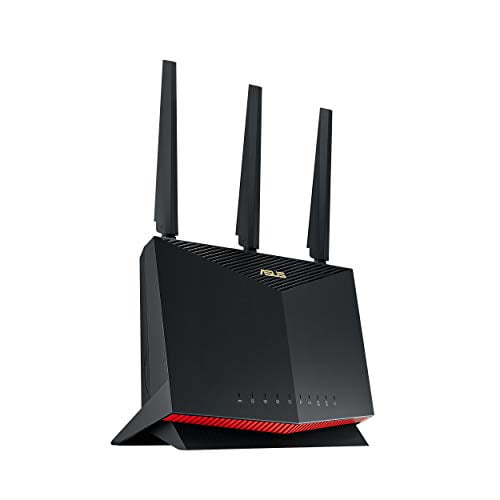
Asus RT-AX86S
Best For Gaming
The Asus RT-AX86S offers affordable, robust performance and extensive coverage, ideal for uninterrupted streaming and online activities.
True Score
83833Experts
891kCustomers
Absolutely Fresh
SAVE $104$249.99$146.06Read More
Snapshot
Reasons to Buy
- Fast WiFi and download speeds
- Incredible range of coverage
- Easy installation and set up
- Low Latency
Reasons to Avoid
- Lacks Backhaul and Mesh Networking
Specifications
# of LAN Ports 4 Frequency Bands 2.4 GHz, 5.0 GHz MU-MIMO Support Yes Wireless Standard AC, AX, N Mesh System No Quality of Service Prioritization Yes # of Phone Ports n/a # of WAN Ports 1 App Compatible Yes Available Storage 256MB Band Technology Dual Data Encryption Type WPA, WPA-Enterprise, WPA2, WPA2-Enterprise, WPA3, WPA3-Enterprise, WPS Energy Star Certified No Integrated Modem No LAN Port Speed 4 Gb Ethernet Number of Antennas 4 Parental Controls Yes Processor Cores Dual Processor Speed 1.8GHz WiFi Range 5400 sq. ft WiFi Speed 5.7 Gb Wired Speed – All Specs
Test Results
2.4 GHz Download speed (Mbits/s) 89 5 GHz Download speed (Mbits/s) 563 6 Ghz Download speed (Mbits/s) 0 Latency (ms) 15 Router Range (ft) 140 2.4 GHz Upload speed (Mbits/s) 0 5 GHz Upload speed (Mbits/s) 23 6 Ghz Upload speed (Mbits/s) 0 All Tests
All Retailers
- $146.06$250Save $104
- $202.24$225Save $23
Our Verdict
If long-range connectivity is your priority without compromising affordability, the Asus RT-AX86S is a budget-friendly router that doesn’t skimp on performance. It excels with its capability to provide extensive coverage up to 140 feet, ensuring that the connection remains stable and robust even in larger spaces, a feature crucial for uninterrupted streaming and online activities. While it offers a solid 2.4 GHz download speed of 89 Mbits/s, catering to devices farther from the router or for streaming at lower resolutions, its 5 GHz download speed of 563 Mbits/s is suitable for high-quality streaming without buffering.
The router’s adeptness at long-range coverage is complemented by advanced features such as Quality of Service (QoS) prioritization and MU-MIMO support, enhancing its ability to manage multiple connections efficiently across its extensive range. These features and app compatibility for network management allow users, especially streamers, to optimize their network settings for the best possible performance, even at the edges of their coverage area.
While the Asus RT-AX86S offers a compelling solution for users seeking long-range connectivity at an affordable price point, those with more specialized requirements, such as larger streaming venues or a need for even higher speeds, might consider other models like the Netgear Nighthawk RAXE500. However, for those focused on achieving broad coverage without breaking the bank, the Asus RT-AX86S provides a reliable and effective solution, making it an excellent choice for enhancing connectivity across large homes or spaces.
Read Less

DON’T SEE WHAT YOU’RE LOOKING FOR?
When setting up your network, consider the best small business router for robust performance and security. If you’re streaming high-definition content, a 4K monitor paired with a wired router ensures seamless connectivity. For those needing versatile firmware, an OpenWRT router offers extensive customization.
Travelers should look for a travel router to maintain connectivity on the go. Choose a router for Fios or a router for Google Fiber for compatibility, and for families, a parental control router provides peace of mind. It also may be helpful to understand what Wi-Fi stands for, as this knowledge can guide you in making more informed decisions about your network setup.
Best Overall
Runner Up
Best Value
Best Budget
Best Mid-Range
Premium Pick
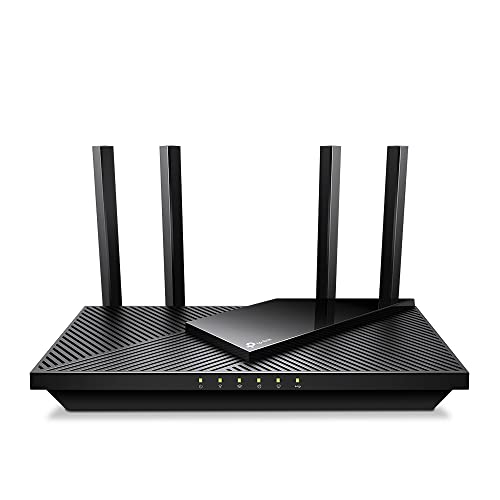
TP-Link Archer AX55
For extensive coverage and fast speeds in larger spaces, the TP-Link Archer AX55 is a top choice, ideal for streaming, gaming, and small businesses.
True Score
78773Experts
846kCustomers
Mixed Reviews
 SAVE $20$119.99$99.99
Read More
Snapshot
Reasons to Buy
- Good Download/Upload Speed
- Great Connection Range
- Simple Setup and Easy Configuration
Reasons to Avoid
- Slow 2.4 GHz Upload Speed
- High Latency
- Limited Ports
Specifications
# of LAN Ports – Frequency Bands – MU-MIMO Support – Wireless Standard – Mesh System – Quality of Service Prioritization – # of Phone Ports – # of WAN Ports – App Compatible – Available Storage – Band Technology – Data Encryption Type – Energy Star Certified – Integrated Modem – LAN Port Speed – Number of Antennas – Parental Controls – Processor Cores – Processor Speed – WiFi Range – WiFi Speed – Wired Speed – All Specs
Test Results
2.4 GHz Download speed (Mbits/s) 99 5 GHz Download speed (Mbits/s) 485 6 Ghz Download speed (Mbits/s) 0 Latency (ms) 0 Router Range (ft) 120 2.4 GHz Upload speed (Mbits/s) 54 5 GHz Upload speed (Mbits/s) 745 6 Ghz Upload speed (Mbits/s) 0 All Tests
All Retailers
- $99.99$120Save $20
- $121.42$299Save $177
Our Verdict
If you’re looking for an affordable, long-range router that excels in streaming, the TP-Link Archer AX55 is a superb choice. It offers an impressive range of 120 feet, perfect for environments that require stable and widespread Wi-Fi coverage. It excels with a best-in-class 5 GHz upload speed of 744.7 Mbits/s, essential for high-bandwidth activities like streaming, where fast upload speeds are key to a great user experience. Additionally, its 2.4 GHz band provides a solid upload speed of 53.5 Mbits/s, sufficient for streaming HD content smoothly. This performance across both bands ensures reliable and uninterrupted streaming, ideal for all your viewing needs.
The Archer AX55 also excels in downloading, with a 2.4 GHz download speed of 98.64 Mbits/s, which provides reliable and fast internet access even over long distances. Its 5 GHz band offers an impressive speed of 485.2 Mbits/s, ideal for watching high-quality videos without buffering. In environments with multiple connected devices, the router’s MU-MIMO support ensures that all devices communicate simultaneously without degrading bandwidth, boosting overall network efficiency.
However, it’s not just about speed and range. The Archer AX55 has advanced features such as Quality of Service prioritization, app compatibility, and data encryption, providing a seamless and secure user experience. These specifications cater to various use cases beyond long-range needs, including small business applications where security and device management are crucial.
While the TP-Link Archer AX55 is tailored for long-range use with its impressive range and 5 GHz Upload speed, its broad spectrum of features makes it a versatile option for various scenarios, including streaming, gaming, and small business environments. Its performance in these critical test criteria underscores its capability to deliver a reliable and efficient network, regardless of the use case.
Read Less
Category Snapshot
Routers
- Total Brands/Products Tested
12 Brands, 37 Products
- Top 2 Brands
Netgear, Asus
- Price Range (Budget-Premium)
$45-$600
- Average True Score
79.42
- Important Test Criteria
Download & Upload Speed (bits/second)
Range (feet/meters)
- Most Trusted Testers

- Top Router Experts
- Typical Warranty
1 year
- Covered by Insurance
Yes – AKKO
Best Overall
Runner Up
Best Value
Best Budget
Best Mid-Range
Premium Pick
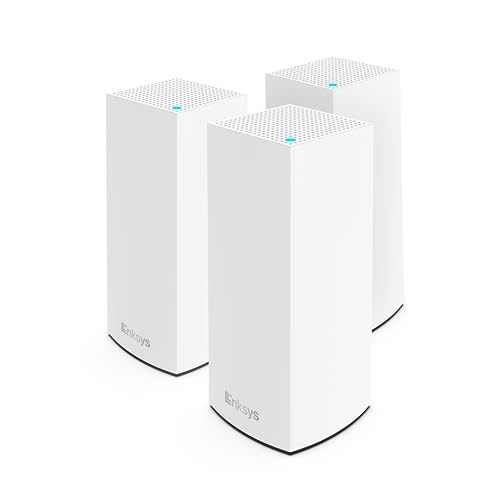
Linksys Atlas Pro 6 MX 5503
For extensive coverage and decent speeds, the Linksys Atlas Pro 6 MX 5503 is a solid mid-range choice, ideal for streaming and small businesses.
True Score
73732Experts
78378Customers
Mixed Reviews
SAVE $122$349.99$227.99Read More
Snapshot
Reasons to Buy
- Adequately speedy Wi-Fi
- Fairly wide range
- Easy setup
Reasons to Avoid
- Slightly slow download
- Mediocre WiFi strength over 2.4GHz
Specifications
# of LAN Ports 3 Frequency Bands 2.4 GHz, 5.0 GHz MU-MIMO Support Yes Wireless Standard AC, AX, N Mesh System Yes Quality of Service Prioritization Yes # of Phone Ports n/a # of WAN Ports 1 App Compatible Yes Available Storage 256MB Band Technology Dual Data Encryption Type WPA2 Mixed Personal, WPA2-Personal, WPA3 Mixed Personal, WPA3-Personal Energy Star Certified No Integrated Modem No LAN Port Speed 3 Gb Ethernet Number of Antennas 5 Parental Controls Yes Processor Cores Dual Processor Speed 1Ghz WiFi Range 8100 sq. ft WiFi Speed 5.4 Gb Wired Speed 10000 Mb All Specs
Test Results
2.4 GHz Download speed (Mbits/s) 76 5 GHz Download speed (Mbits/s) 350 6 Ghz Download speed (Mbits/s) 0 Latency (ms) 0 Router Range (ft) 160 2.4 GHz Upload speed (Mbits/s) 0 5 GHz Upload speed (Mbits/s) 0 6 Ghz Upload speed (Mbits/s) 0 All Tests
All Retailers
- $227.99$350Save $122
- $268.48
- $319.99$600Save $280
Our Verdict
If you’re seeking a mid-range mesh router that provides expansive WiFi coverage, the Linksys Atlas Pro 6 MX 5503 is noteworthy, especially for its long-range capabilities, reaching 160 feet. This extended range is particularly valuable for users who need consistent connectivity across large areas, whether in sprawling homes or small business settings. This ensures that the router maintains a robust WiFi signal far beyond the reach of many competitors, offering a reliable internet connection even in the furthest corners of the coverage area.
The Linksys Atlas Pro 6 MX 5503 has a decent 2.4 GHz speed of 76 Mbits/s and a respectable 5 GHz download speed of 350 Mbits/s, which ensures smooth streaming and gaming experiences. This router’s suitability for long-range applications is further supported by its mesh system capability, which allows for seamless expansion of WiFi coverage without compromising signal strength or quality. However, the Asus RT-AX86S is a faster overall router if you don’t need the mesh capabilities.
Furthermore, the Linksys Atlas Pro 6 MX 5503 supports essential features such as data encryption, quality of service prioritization, app compatibility, and MU-MIMO technology. These features collectively enhance the user experience by providing secure, customizable, and efficient WiFi connectivity, catering to diverse needs ranging from everyday browsing to high-demand gaming and streaming.
The Linksys Atlas Pro 6 MX 5503 comprehensive feature set and reliable long-range performance make it a commendable option for various other use cases. Its capabilities extend beyond long-range coverage, offering potential benefits for users with high connectivity demands in streaming, gaming, and small business scenarios.
Read Less

Which Criteria Matters for Testing Best Wi-Fi Routers for Long Range?
By focusing on these criteria (2 required, 2 nice to have), anyone can quickly and easily compare these routers and how they’ll perform. This helps you make an informed decision and purchase a router that will meet your needs.
| CRITERIA | RANGE | REQUIRED | DEFINITION |
|---|---|---|---|
| Router Range | > 100 ft | Yes | How far a device can be from a router before the signal starts degrading. It is worth noting that 2.4 GHz reaches further than 5 GHz. |
| 5 GHz Download Speed | > 200 Mbits/s | Yes | The maximum speed that the router can reach when downloading on the 5 GHz band. |
| 2.4 GHz Download Speed | > 50 Mbits/s | No (Nice to have) | The maximum speed that the router can reach when downloading on the 2.4 GHz band. |
| Latency | < 30 ms | No (Nice to have) | The delay that is created by a signal being sent by the router and then received. |
Our Trusted Data Sources
We looked at 120+ router reviewers and found that 46 are trustworthy (60%+ Trust Rating). The three we have listed below are our most trusted for routers.
- James Morris – Kit Guru, LinkedIn
- Matt Spencer – TechGearLab, LinkedIn
- Brian Nadel – Tom’s Guide, MuckRack
Interested in a comprehensive analysis of our data sources? We’ve got you covered. Below, you’ll find a detailed list of every router review website we’ve identified, organized by their respective Trust Ratings from highest to lowest. But we didn’t stop there. We’ve meticulously reviewed each publication and verified the data by checking whether the authors have bio links to MuckRack or LinkedIn. We’re committed to not only checking the facts but ensuring their veracity.
Router Test Data & Results
Disclaimer:
Evaluating router performance is more than hardware analysis. While hardware tests are straightforward, the challenge lies in contextualizing the results within the limits of real-world usage. Routers operate under conditions that testers cannot fully standardize, including variations in Internet Service Providers (ISPs), network traffic congestion, discrepancies between advertised and actual internet speeds, and the physical layout of homes. These factors introduce a degree of unpredictability, making it hard to draw universal conclusions. As such, our router recommendations aim to provide useful general guidance, accommodating a wide range of home environments and internet setups.
1. Router Range (ft)
Router range is exactly what the name suggests: how far can you get from the router before you start experiencing issues with your connection? The complicating factor is the simple fact that range depends on the band you’re using. 2.4 GHz is a band that offers greater range, so it gives tests results that show a greater range than tests that use the 5 GHz band. In general, our research found most publications used the 5 GHz band, so our recommendations are based on that.
As such, we recommend your router have a range of at least 100 ft. This gives you a good “bubble” around the router that you can connect to, but it’s important to know that things like the walls in your home can cause issues. Thicker walls block more signal, thinner walls block less. Some materials will also do a better job than others will at stopping signal, so if you see a router with a range of 65 ft, know that it might not reach that far in your home. It could reach further – or not nearly as far. This is also why you get dead zones in your home – it’s a matter of geometry and materials.
Router Range
> 100 ft
Acceptable range of performance
Definition: The distance the router transmits reliable signal out to before performance and speed degrades.
Units of Measurement: Feet (ft)
Tools to Measure: Measuring Tape
Why It’s Important:
Range impacts how far you’ll get a reliable connection in your home, and whether you’ll need extenders or not.
Router Range (ft; higher is better; 0 = No Data)
2. 5 GHz Download Speed (Mbits/s)
The much faster 5 GHz band offers up much greater bandwidth and is much, much better at meeting high-speed demands. Streaming high-quality video, using streaming services, gaming, downloading large files and games – the 5 GHz band is what makes all of these activities quick and bearable. It reaches a lower range than the 2.4 GHz band, but it’s also much faster, so you’ll use it more, especially on newer devices that actually support the band.
Given how much you’ll be using this band, we recommend a speed of at least 200 Mbits/s to ensure you’re able to enjoy streaming and gaming on at least a few devices simultaneously. Any lower and you start to run into real bottleneck concerns, such as endless buffering, lagging, or drops in connection.
5 GHz Download Speed
> 200 Mbits/s
Acceptable range of performance
Definition: The top speed the router reaches downloading on the 5 GHz band.
Units of Measurement: Mbits/s (megabits per second)
Tools to Measure: Speed-checking software
Why It’s Important:
This band is used by most modern devices and offers greater speeds that enable activities like gaming and HD streaming on multiple devices.
5 GHz Download Speed (Mbits/s; higher is better; 0 = No Data)
3. 2.4 GHz Download Speed (Mbits/s)
The oldest and slowest of the bands on a router is the 2.4 GHz band, but it sticks around for a reason. Generally speaking, while this band features the slowest available speeds and has the lowest bandwidth, but also reaches out the furthest. It’s not the best band to connect to connect if you need high speeds, but if you just need to be connected for light browsing or anything that’s low bandwidth, it works. Alternatively, if you own a lot of old devices, this band may be the only band they can “see” and therefore, use.
Given the age of the band, top speeds on 2.4 GHz cap out very quickly. We recommend a speed of at least 50 Mbits/s, but if you aren’t really going to be using this band for anything other than checking web pages, you can go lower. It’s worth noting, though, that this might lead to a more frustrating and laggier time on modern sites with lots of scripting and high-quality images.
2.4 GHz Download Speed
> 50 Mbits/s
Acceptable range of performance
Definition: The top speed the router reaches downloading on the 2.4 GHz band.
Units of Measurement: Mbits/s (megabits per second)
Tools to Measure: Speed-checking software
Why It’s Important:
For older devices or for connecting at a longer range, the 2.4 GHz frequency is the only one that you’ll be able to use, so it should have usable speed.
2.4 GHz Download Speed (Mbits/s; higher is better; 0 = No Data)
4. Latency (ms)
Latency
< 30 ms
Acceptable range of performance
Definition: The time it takes for the router to send and then receive signals.
Units of Measurement: Milliseconds (ms)
Tools to Measure: Speed-checking software
Why It’s Important:
Latency is important to reduce delay when gaming and video conferencing.
On a router, latency refers to how long it takes for the router to send out and receive a signal. The longer it takes, the more delay there is between you sending and receiving data, which can introduce lag in video games and also makes video conferencing harder since the person you’re speaking with now has to contend with your delay and vice versa. If you’ve ever spent a call talking over someone because you don’t know they started talking a second ago, that’s latency.
For that reason, we recommend a latency below 40 ms. As low as you can get it is obviously preferable, but latency is another aspect of your internet connection that is hard to manage. Latency differs to every single place you connect to, and every ISP has its own latency they “add” because you have to connect to their service too. Latency creeps in from your ISP, from the site you’re requesting data from, from your router, and from your own onboard Wi-Fi antenna – and that’s just to name a few sources. If you’re gaming, you also have a delay introduced by your connection to game servers and the delay that exists on a hardware level when you input commands.
Latency (ms; lower is better; 0 = No Data)
Best Wi-Fi Routers for Long Range: Mistakes To Avoid
- Neglecting Range Considerations: Don’t overlook the importance of assessing your coverage needs before purchasing a router. Ensure it has the range to cover your entire home or workspace without dead zones. If you find certain areas lacking coverage, understanding the difference between a Wi-Fi repeater and a router can help you choose the best solution.
- Ignoring Antenna Quality: Pay attention to the number and type of antennas on the router. Models with high-gain antennas or beamforming technology can significantly improve signal strength and range.
- Overlooking Dual-Band or Tri-Band Capability: Opt for routers that support dual-band or tri-band frequencies to mitigate interference and provide better long-range coverage, especially in crowded Wi-Fi environments.
- Disregarding Mesh Networking: If you have a large area to cover, avoid relying solely on a single router. Consider investing in a mesh Wi-Fi system with multiple access points to extend coverage seamlessly.
The Best Wi-Fi Routers for Long Range Tests Compared
Product |
True Score
|
2.4 GHz D/L Speed
|
5 Ghz D/L Speed
|
6 GHz D/L Speed
|
Range
|
Latency
| |
|---|---|---|---|---|---|---|---|
| 84 |
|
|
|
|
|  $270.99 $600 $329 |
| 83 |
|
|
|
|
|  $149.97 $400 $250 |
| 83 |
|
|
|
|
| $146.06 $250 $104 |
| 78 |
|
|
|
|
| $99.99 $120 $20 |
73 |
|
|
|
|
| $227.99 $350 $122 |