




Use Case Performance
In-Ground Pools – 90/100
Designed specifically for in-ground pools, the Duo covers floors, walls, waterline, and water’s surface comprehensively. The dual-layer filtration handles fine sand, small debris, and leaves with consistent results across pool shapes and surfaces. Scuba V3’s dual LED lights enable night cleaning, while AI Navium™ Mode allows for continuous 7-day operation.
Above-Ground Pools – 20/100
The two-robot premium pricing is hard to justify for above-ground or smaller pools. A capable single-robot alternative handles the volume adequately at a fraction of the cost.
Complex Pool Shapes – 90/100
The Scuba V3’s VisionPath™ is designed for efficient floor cleaning, while JetAssist™ is specifically built to clean the waterline effectively. Coverage reaches 95 to 100 percent efficiency in most standard configurations. Stairs remain a weak point — the V3 manages the first step reliably and sometimes struggles with the second. Some manual brushing of step areas is still needed periodically.
Heavy Leaves and Large Debris – 95/100
The EcoSurfer S2 continuously intercepts surface debris before it sinks, reducing the load on the Scuba V3 entirely. After storm events with simultaneous surface and floor debris, both zones are addressed concurrently without requiring you to prioritize one over the other.
Fine Dirt, Sand, and Silt – 98/100
The Scuba V3’s multi-layer filtration system, combining 180-micron and 3-micron filters, captures fine debris that many standard pool robots would otherwise return to the water. For pools with fine substrate, high pollen exposure, or visible water clarity issues, this is the clearest advantage in the system.
Pool Maintenance Is a Tax on Owning Something You Actually Enjoy
Nobody buys a pool because they want to spend summer weekends skimming leaves and scrubbing waterlines. They buy it to swim. The reality is that a pool requires constant attention, and the gap between a clean pool and a green one closes faster than most people expect. Leaves that sit on the surface waterlog and sink within hours. Once they are on the floor, they start consuming chlorine and feeding algae. The waterline collects body oil, sunscreen, and calcium deposits that a robot running the floor cannot reach. Single-robot pool cleaners handle part of this well. None of them handle all of it.
The Aiper Experts Duo is the first system I have used that actually addresses the whole problem, and it does it without adding a single item to my weekly to-do list.
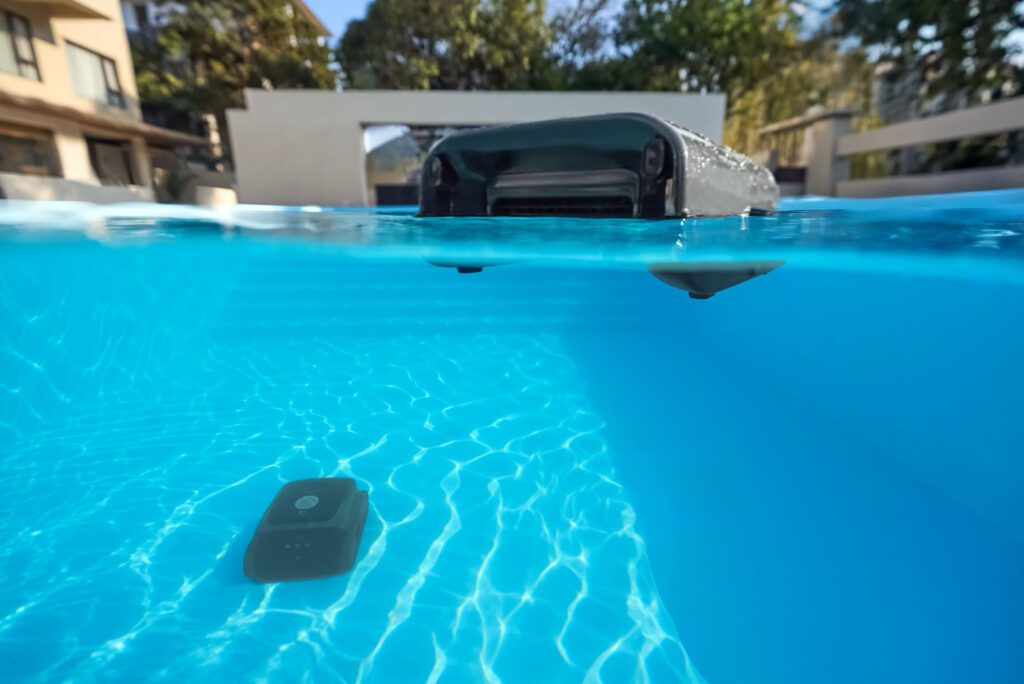
Where This Fits in Aiper’s Lineup
Aiper makes the best-selling robotic pool cleaners in the world by volume, and their in-ground lineup is tiered clearly from entry to flagship. At the bottom sits the Scuba S1, a solid performer for smaller pools on a budget. The Scuba X1 is the mid-tier option at $899. Above it sits the Scuba V3 at $1099.99 MSRP, currently around $900 street, which is where the AI navigation story really starts. At the top is the Scuba X1 Pro Max at $1,699, Aiper’s endurance machine built for the largest pools and heaviest debris loads with longer runtime and a self-docking retrieval system.
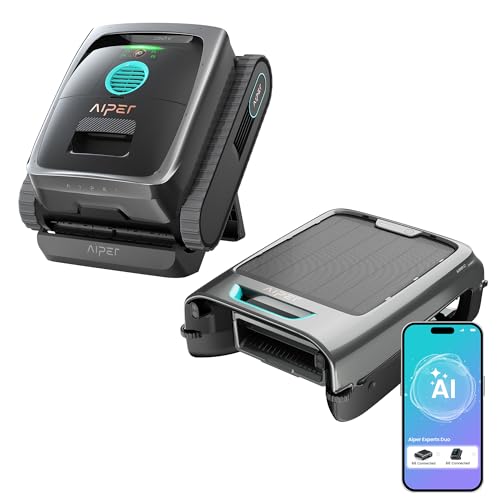
The V3 is not the most powerful robot in the lineup, but it is the smartest daily driver. It is lighter than the X1 Pro Max at 18.2 pounds, built around AI-guided navigation rather than brute suction, and designed for frequent use rather than long infrequent cycles. The Aiper Experts Duo pairs it with the EcoSurfer S2 surface skimmer at a $50 discount versus buying both separately. That bundle pricing is the obvious way to buy if you want full coverage, and after testing the system together as designed, I am not sure why you would want only one of them.
Two Robots, One Clear Idea
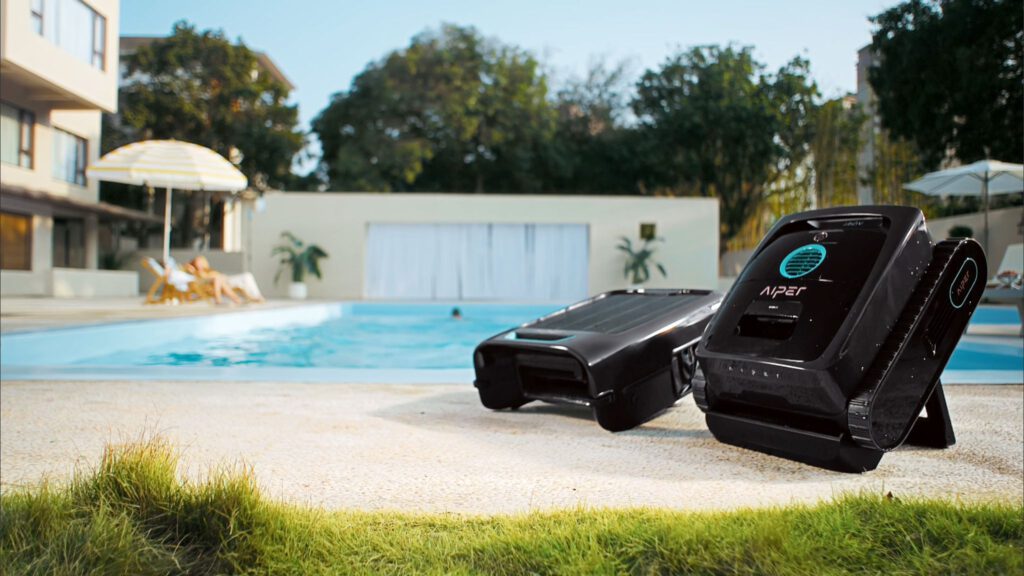
The Scuba V3 handles everything below the water surface: floors, walls, steps, and the waterline itself using JetAssist™ side-mounted nozzles that scrub horizontally along the pool’s most contaminated surface zone. The EcoSurfer S2 handles everything above it: leaves, bugs, pollen, and airborne debris before any of it has a chance to sink and become a floor problem. They work simultaneously, independently, and in my experience, without any conflict or coordination needed from me.
Both robots also worked immediately alongside my existing pool equipment. No reconfiguration, no adjustments, nothing to shut off. They dropped in, connected to the Aiper app, and started working. The app asked for my pool volume during setup, which I did not know off the top of my head. I estimated and moved on without issue.
The Scuba V3: Runtime, Retrieval, Night Cleaning, and What It Actually Does
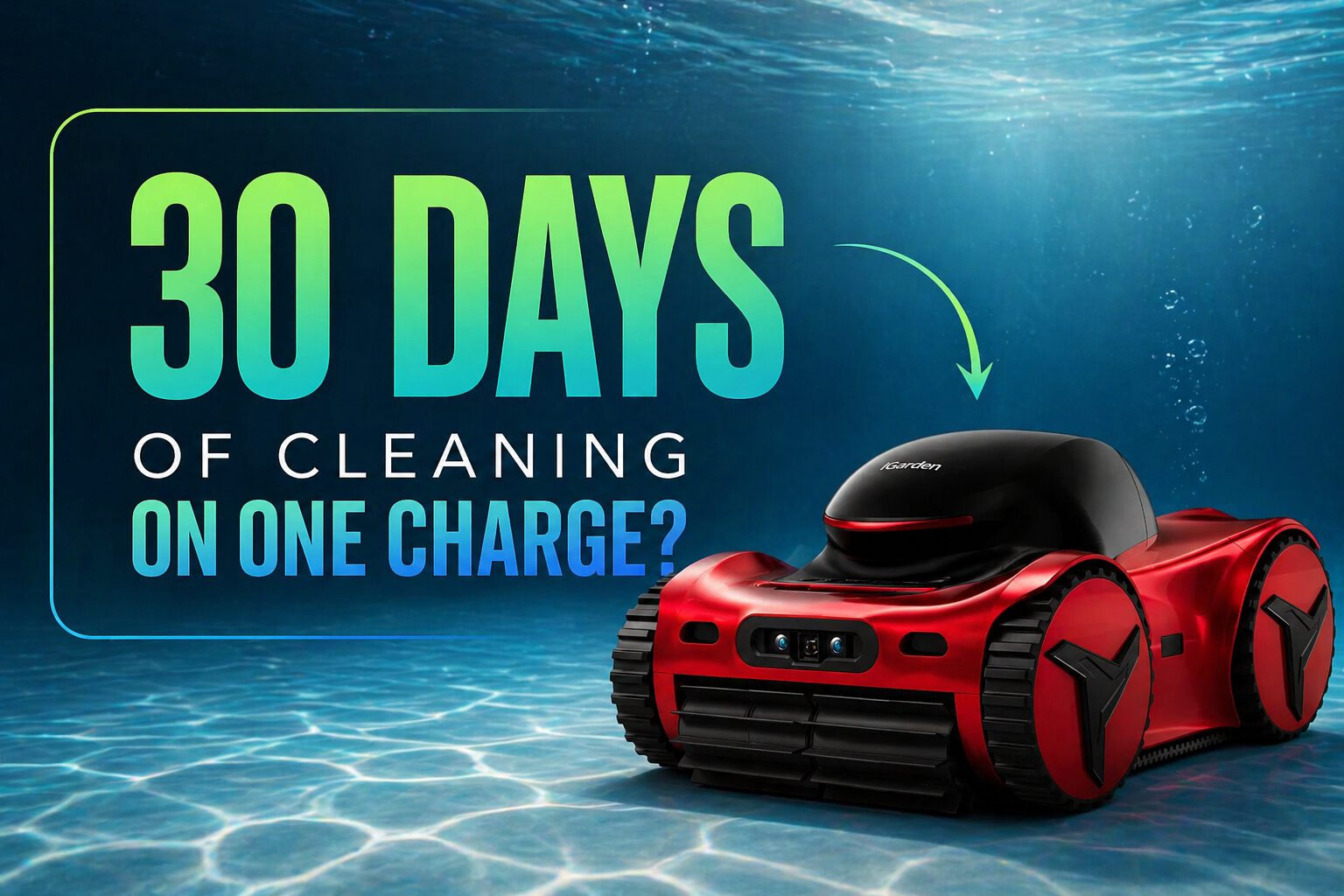
The Scuba V3 runs up to 180 minutes on a full charge, with an ECO mode that extends that to 210 minutes by reducing power consumption. Real-world testing by Digital Trends across a 15,000-gallon pool consistently delivered 140 to 150 minutes of active cleaning, which was enough to cover the full floor, walls, and waterline with battery remaining. On a larger pool like mine, I treat each cycle as targeted work rather than expecting complete coverage in a single run. Recharging takes five hours on the included wireless dock, which sits flat wherever is convenient near the pool and charges without any connectors or drying required — just set the robot on it.
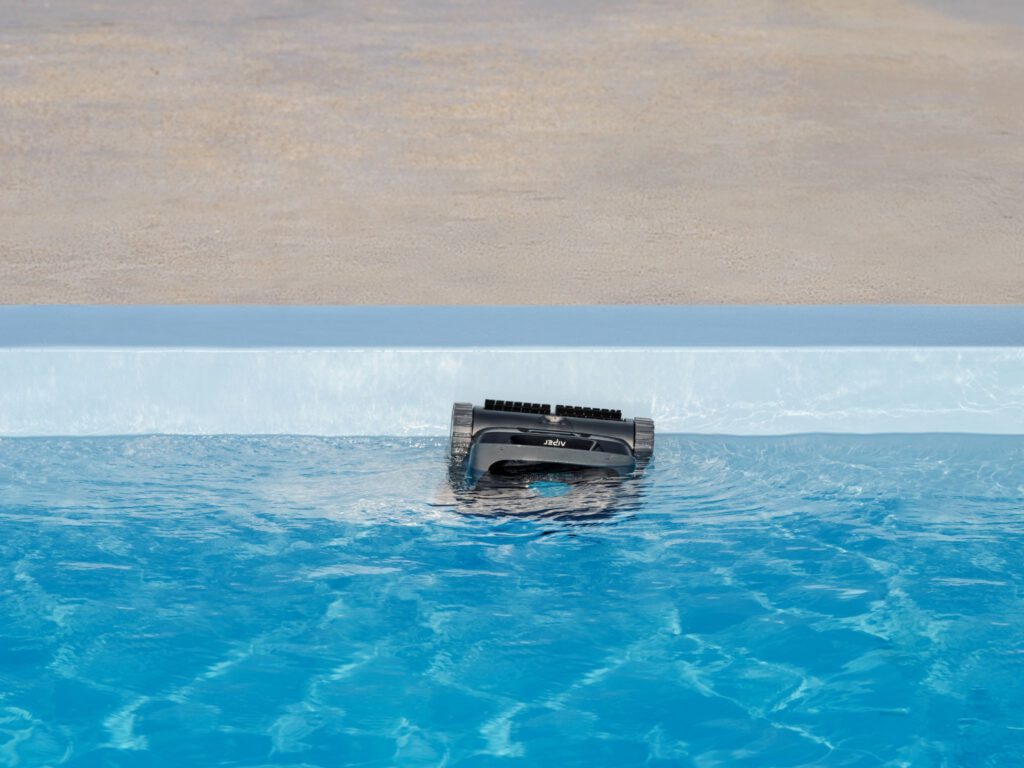
Retrieval is easier than most reviews make it sound. When the V3 finishes a cycle, it automatically drives itself up the pool wall to the waterline using Smart Waterline Parking, reconnects to Wi-Fi, and sends a push notification to the app. You then have a 10-minute window to walk over and lift it out by hand. At 18.2 pounds, it is one of the lightest robots in its class (Digital Trends noted it is retrievable one-handed), and the quick-drain system clears most of the standing water within seconds of lifting it out, so you are not hauling a waterlogged machine across the deck. For most people, this is an easy process.
The included retrieval hook attaches to any standard pool pole and is there for the edge case where you miss that 10-minute window. If the battery depletes before you retrieve it, the V3 sinks to the bottom, and the hook is how you get it back. Trusted Reviews and New Edge Times both experienced this during testing and confirmed the hook works, though it takes a little practice. The practical solution is simply to respond to the app notification when it arrives. For older users or those with shoulder issues, the 18-pound lift from pool height is worth factoring in.
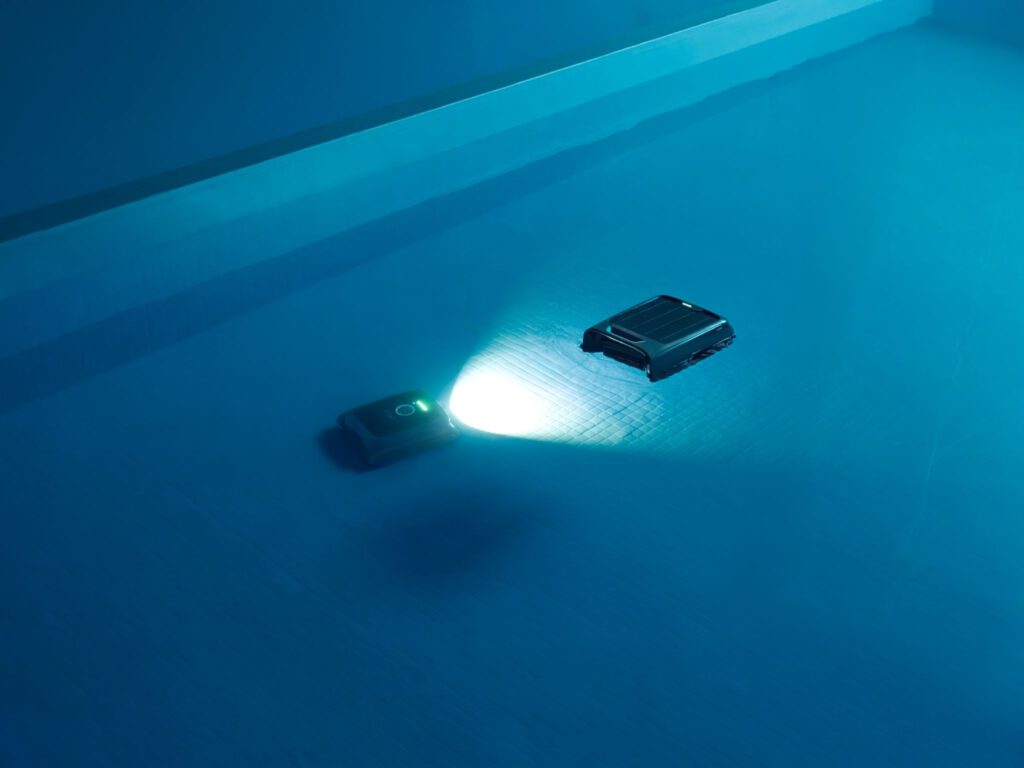
Unlike scheduled-only systems, the Aiper Experts Duo has true 24/7 operation, with the Scuba V3 powered by AI Navium™ Mode and equipped with dual LED lights for night cleaning. Dual LED lights power the AI vision system in complete darkness, enabling the same debris detection and navigation capability it uses during the day. With the S2 running continuously on solar and battery power, the pool is actively maintained around the clock, whether you are home or not.
Emptying and maintenance are straightforward. The 3.5-liter top-load debris basket is accessible and empties cleanly. The quick-drain system quickly removes standing water when you retrieve the robot, making the whole process feel much less messy than with older pool cleaners. Beyond emptying the basket, maintenance means rinsing the filter periodically and wiping down the brushes if debris accumulates. The wireless charging dock handles the rest.
The cleaning itself is the V3’s real story. Most pool robots use random-path navigation and achieve 65 to 85 percent floor coverage in a single cycle. The V3 uses a front-facing AI camera combined with depth-sensing to detect over 20 debris types and route toward problem areas rather than drifting past them on a fixed grid. Pool Magazine described it as a robot that makes smarter decisions about how to clean as it runs, with JetAssist helping with waterline cleaning. In my pool, it picked up fine debris, sand, and bugs that had settled near the waterline.
The 3-micron inner filtration layer is what makes the water clarity difference visible over time. Standard pool robots top out at 150 microns. The V3’s dual-layer MicroMesh system catches fine particles, pollen, and organic matter that most competitors push right back into suspension. One Aiper customer reviewer with previous suction-side and pressure-side cleaners put it plainly: the AI navigation is not marketing language, either: it moves in deliberate, logical patterns instead of the random bouncing older cleaners produce. Another described it simply as a work tank that keeps the pool consistently clean with minimal effort.
JetAssist™ waterline scrubbing is worth calling out separately. The waterline is where calcium deposits, sunscreen residue, body oils, and biofilm accumulate fastest, and it is the zone most floor-cleaning robots either skip entirely or barely graze. The V3’s side-mounted nozzles scrub it horizontally on every pass. In regular use, it has eliminated the need for manual waterline scrubbing on my pool.
One connectivity note: once the V3 is submerged, Wi-Fi drops entirely since signals do not travel through water.
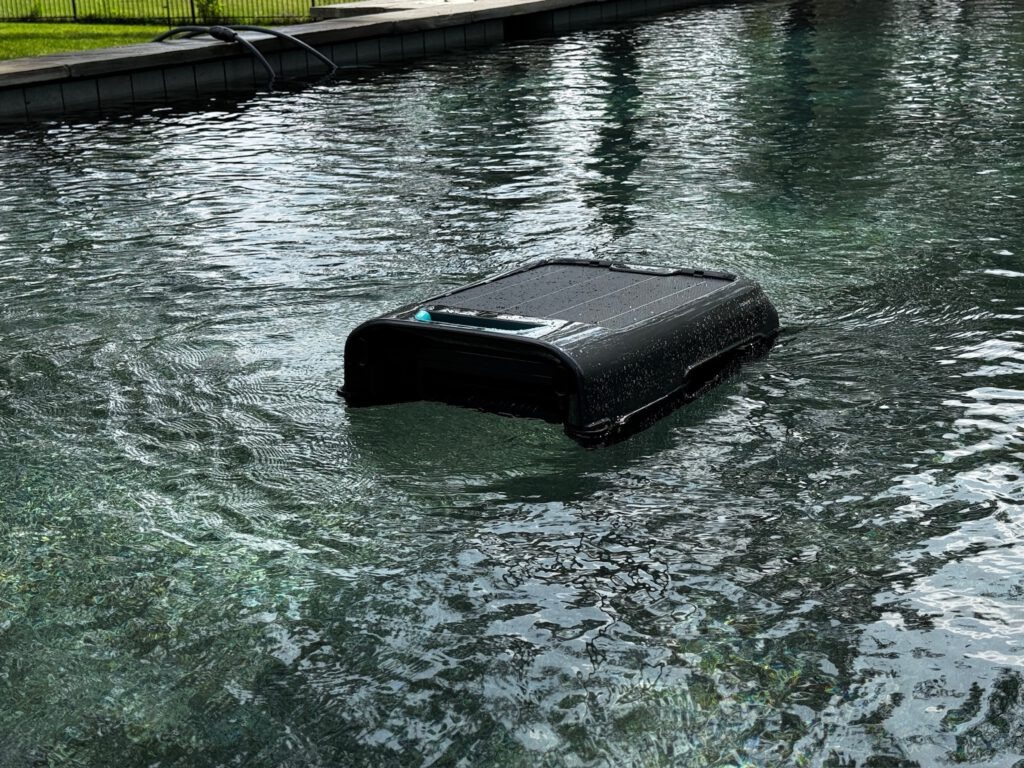
The EcoSurfer S2: The Robot That Runs on Sunshine
The EcoSurfer S2 is the simpler of the two robots and, in some ways, the more impressive one. It floats on the surface, moves continuously, pulls in whatever is floating, and recharges via a solar panel whenever it finds sunlight. In automatic mode, it runs around the clock. Poc Network’s reviewer found the S2 maintained at least 90 percent charge throughout their entire test period in consistently sunny conditions. That tracks with my experience; I have not plugged it in since the initial setup.
On overcast days, the 35-hour backup battery keeps it going without any input. When sunlight returns, SolarSeeker technology actively navigates the S2 toward the sunniest position in the pool to recharge before resuming cleaning. That is not a passive panel sitting wherever the wind pushes it; instead, it moves to find a charge. The result is a robot that is operationally continuous in a way no battery-only surface skimmer can match.
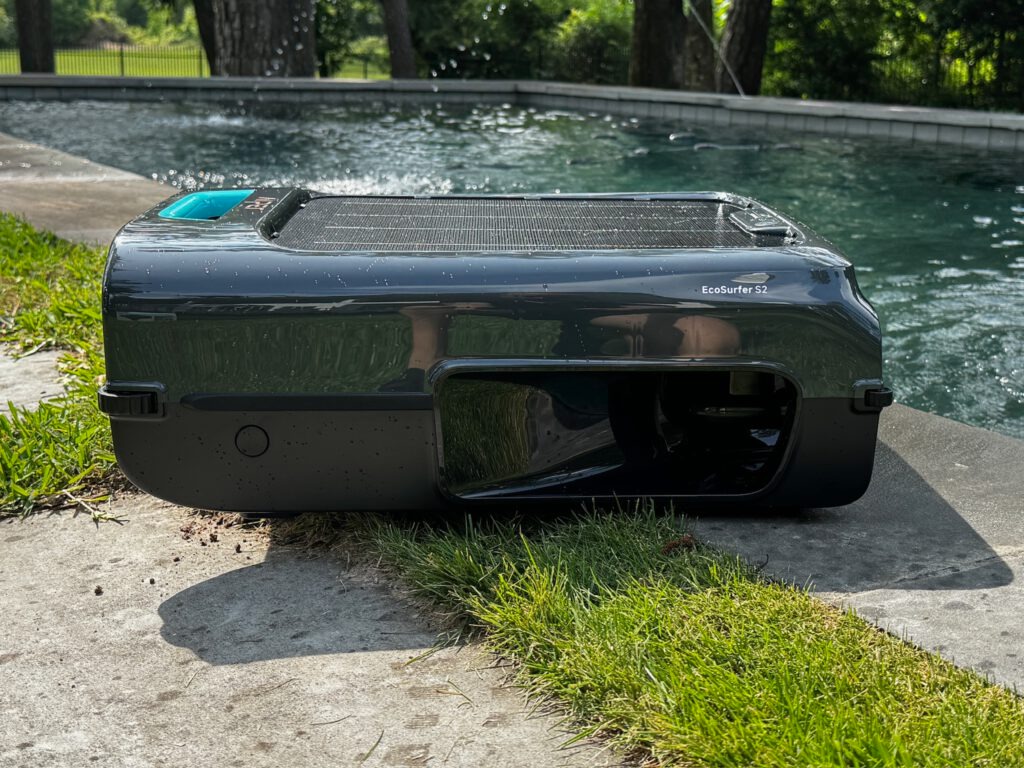
The S2’s 4-liter debris basket is larger than the V3’s and empties just as easily. The DebrisGuard baffle closes automatically when the unit stops or reverses, preventing captured debris from spilling back into the water. This is a problem that plagues cheaper surface skimmers and partially defeats their purpose on every direction change, but it’s not an issue here. The 150-micron filtration catches fine particles, pollen, insects, and small surface debris that most skimmer baskets miss. The built-in chlorine tablet chamber disperses sanitizer passively as the S2 moves, contributing to water chemistry without any additional step on your part.
The practical result of having the S2 running continuously is that leaves, bugs, and surface debris never accumulate long enough to sink and become a floor problem. The V3 gets a significantly easier job because of it. Both robots last longer because neither is working against peak debris load alone. And the pool simply looks cleaner at any given moment than it did with a single robot handling everything below the surface.
Setup and Day-to-Day Reality
Setup was easier than expected for a system with this much capability. App connection was fast for both robots. The pool volume question is the one moment of friction during onboarding. If you don’t know, estimate, but it’s not a blocker either way. Neither robot required any adjustment to my existing filtration equipment, which I was not certain about going in.
Day-to-day involvement is essentially nothing. I empty the V3’s basket when the app prompts me, lift it out to charge after each cycle, and empty the S2’s surface basket occasionally. That is the full picture.